


US tariffs on a wide range of Brazilian products escalated on Wednesday, as President Donald Trump intensified his efforts against the trial of his right-wing supporter Jair Bolsonaro. The latest move by Trump raises tariffs on numerous Brazilian goods from 10 percent to 50 percent, with certain exemptions in place to mitigate the impact, such as for orange juice and civil aircraft.
Brazil’s vice president Geraldo Alckmin had indicated that the new tariffs would affect approximately 36 percent of Brazil’s exports to the US. However, analysts pointed out that crucial commodities like coffee, beef, and sugar would still be affected by the tariff increase.
In a recent executive order, the Trump administration criticized Brazilian officials for what they termed as “unjustified criminal charges” against Bolsonaro, who faces accusations of planning a coup after allegedly attempting to retain power following his defeat in the 2022 elections to President Luiz Inacio Lula da Silva. The order also condemned Brazil’s digital regulations, asserting that the country’s recent policies posed threats to the US economy, national security, and foreign policy.
Despite the tariff hike, experts have highlighted significant exclusions, with nearly 700 exemptions in place. Valentina Sader from the Atlantic Council mentioned that while the tariffs are unfavorable, the situation could have been worse. Sader predicts that the Brazilian economy is likely to endure the impact of the tariffs, with the government potentially considering supporting the most affected sectors while exploring diversification of export markets.
The increase in tariffs on Brazilian goods precedes another round of elevated US duties set to be imposed on various economies, including the European Union and Taiwan, underscoring Trump’s efforts to reshape global trade. Analysts project that these impending tariff hikes could raise the average effective tariff rate for US imports to nearly 20 percent, marking the highest level since the 1930s, according to the Budget Lab at Yale University.
However, tensions between the US and Brazil are expected to persist, as a Brazilian judge placed Bolsonaro under house arrest for violating a social media ban. The 70-year-old leader is prohibited from using social media during legal proceedings, and his allies’ defiance of the ban prompted a strong reaction from Supreme Court Justice Alexandre de Moraes, who is overseeing Bolsonaro’s trial. The recent sanctions imposed by Washington on Moraes further indicate the strained relations between the two countries.
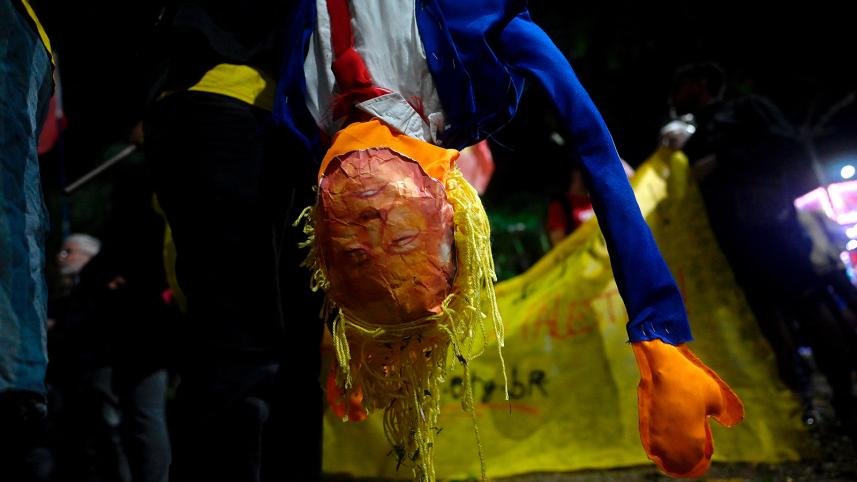
Trump’s pressure tactics have stirred discontent among many Brazilians but have garnered support from Bolsonaro’s conservative base. The intervention by the US in what Brazilians perceive as domestic affairs has sparked criticism, with concerns raised about foreign interference in Brazil’s sovereignty. Sader emphasized that President Lula has expressed openness to dialogue and negotiations but is firm on rejecting foreign intervention in Brazilian matters, asserting that Brazilian sovereignty is non-negotiable.