
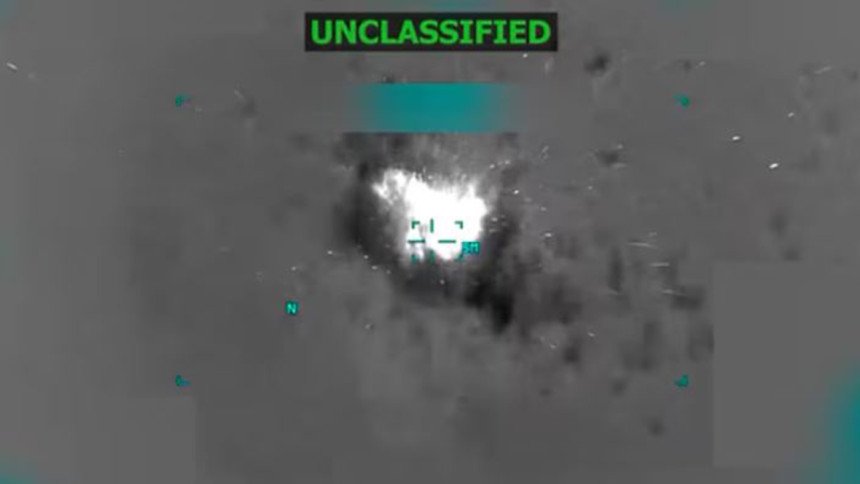


The United States has conducted 14 strikes since September on ships near the Venezuelan coast and more recently in the eastern Pacific Ocean, resulting in the deaths of at least 69 individuals, as confirmed by the US defense secretary. This marks an escalation in the US military presence in the Caribbean Sea.
The US has claimed, without providing evidence, that the targeted vessels were involved in drug trafficking. However, various foreign leaders, members of Congress, legal experts, and family members of the deceased have demanded proof to support these allegations.
The United Nations human rights chief has criticized the US strikes on suspected drug traffickers off the coast of South America, labeling them as “unacceptable” and a violation of international human rights law. Venezuela has condemned the strikes as illegal, amounting to murder and an aggression against the sovereignty of the South American nation.
Venezuelan President Nicolas Maduro has accused US President Donald Trump of pursuing regime change, a claim that the US administration has played down despite reported close ties with Venezuela’s opposition.
In September, the US bolstered its military presence in the Caribbean, including deploying a nuclear submarine and a fleet of warships accompanying the largest aircraft carrier globally. In response, Maduro increased security measures and deployed tens of thousands of troops across the country.
Some of the strike victims have been identified by the US as Venezuelans, while Colombian President Gustavo Petro stated that some were Colombian nationals. Family members of a Trinidadian man allegedly killed in a strike have demanded evidence linking him to drug trafficking.
The list of US strikes includes incidents on various dates, resulting in fatalities and alleged drug-related activities. These operations have drawn criticism from multiple quarters, with demands for transparency and accountability regarding the targeting and execution of these strikes.