
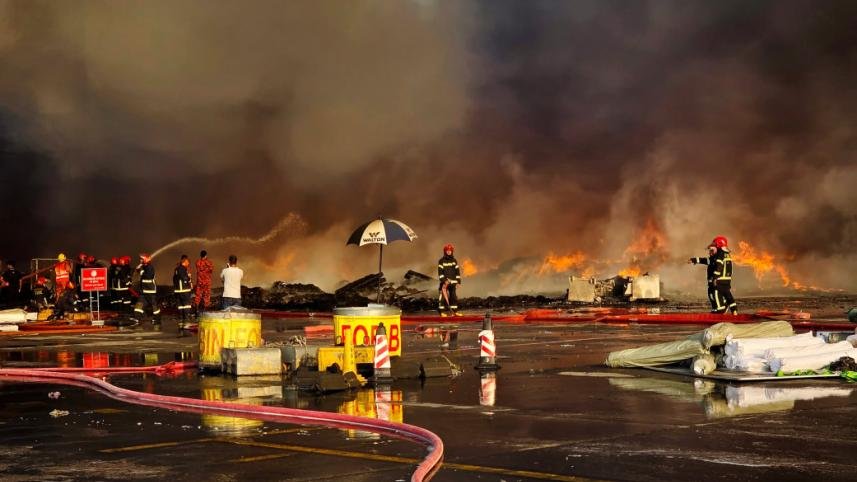


Hazrat Shahjalal International Airport (HSIA) in Bangladesh serves as a crucial reflection of the nation’s image and values. Instead of showcasing national pride, the airport has unfortunately become a hub of scandals, thefts, and failures. These incidents highlight a larger issue of systemic corruption that is eating away at Bangladesh’s culture of public accountability.
Various incidents such as the cargo village fire, theft of firearms, pilfering of items from passengers, and frequent reports of missing luggage are not isolated occurrences but part of a larger pattern of decay. Data from the airport’s lost and found department reveals a disturbingly high number of reported luggage thefts daily, indicating a systemic problem that extends beyond individual acts of dishonesty.
With over 80 lakh passengers passing through annually, HSIA’s issues go beyond individual misconduct to institutional dysfunction. The airport, which should operate with precision, instead functions on improvisation and patronage, creating a breeding ground for criminal activity. The fact that these crimes are often committed by those entrusted to prevent them points to a deep moral crisis within the system.
Despite the presence of surveillance cameras in high-security areas, thefts continue to occur regularly, suggesting complicity at multiple levels. The lack of coordination among different agencies responsible for airport operations further exacerbates the problem, leading to a lack of accountability and enabling malpractice to thrive.
Compared to international airports like Singapore’s Changi or Dubai International, which maintain strict security measures, HSIA’s reactive approach to scandals and lack of sustained institutional correction perpetuate a cycle of misconduct. The absence of significant consequences for wrongdoers contributes to a culture of impunity that erodes public trust and damages the country’s reputation.
Addressing the crisis at HSIA requires more than superficial reforms. Depoliticizing airport management, prioritizing merit in recruitment, enhancing inter-agency accountability, implementing modern baggage-handling systems, and conducting independent audits are essential steps toward rebuilding public confidence. Ultimately, changing the prevailing culture of entitlement in public service and fostering moral leadership are crucial to overcoming the systemic challenges plaguing Bangladesh’s main gateway.