
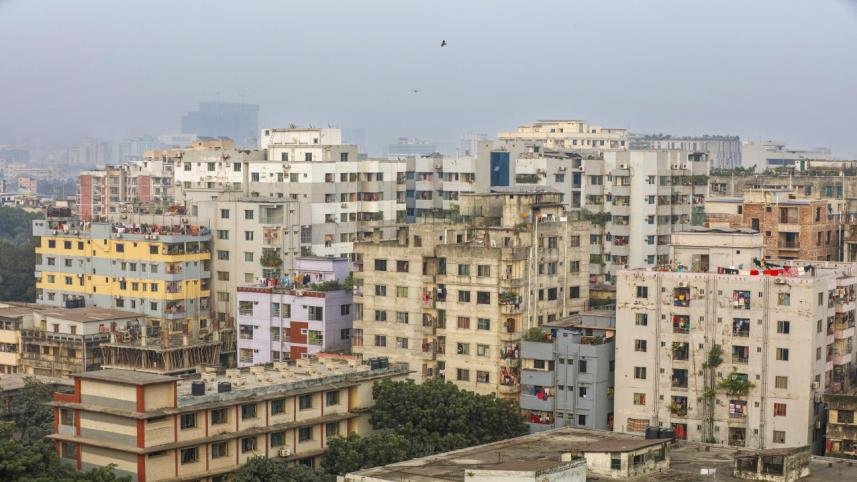


In many urban areas, tenants often face challenges like sudden rent hikes, lack of notice for eviction, and unreasonable deposit demands from landlords. Despite the Premises Rent Control Act, 1991, which aims to safeguard tenants from such mistreatment, enforcement remains weak, leaving many renters unaware of their rights and vulnerable to exploitation.
The law prohibits landlords from increasing rent abruptly unless property improvements are made and approved by the Rent Controller. Similarly, landlords are not allowed to demand more than a one-month deposit without the controller’s consent, and eviction without notice is illegal. However, many tenants report facing these violations, forcing them to move without warning.
Studies reveal a significant gap between the law and its application, with a lack of awareness among tenants about their rights or the existence of rent controllers. This lack of knowledge leads to tenants being taken advantage of, particularly those from middle- or lower-income households.
Moreover, the absence of formal rental agreements and rent receipts further complicates matters, as tenants lack evidence to support their claims in legal disputes. This lack of documentation, combined with limited awareness, results in prolonged legal battles that can last for years, leaving tenants financially burdened.
Despite calls for stronger regulations, such as the formation of a national rent commission and the implementation of mandatory mediation under the Legal Aid Services (Amendment) Ordinance, challenges in enforcement persist. While mediation aims to expedite dispute resolution, critics argue that the system may become overwhelmed due to limited resources.
To address these issues, activists advocate for improved enforcement mechanisms, official rent charts, and mandatory written contracts and receipts for tenants. Faster dispute resolution, stricter penalties for violators, and enhanced enforcement of rent regulations are essential to protect tenants in Bangladesh’s evolving urban landscape.