
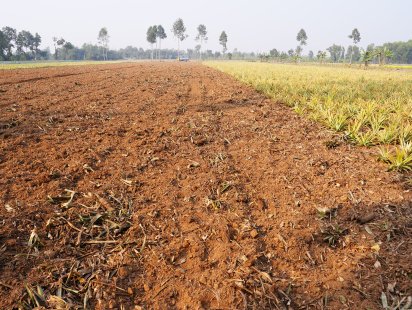


The temporary government has set an ambitious target to revive the once-thriving Madhupur Sal forest in Tangail, which used to be a home to various wildlife species and a diverse ecosystem. Over the years, large portions of the forest have been replaced with commercial plantations of non-native species like acacia, pineapple, banana, and spices, leading to a significant decline in the original Sal forest.
The primary reason for the ecological damage in Madhupur and other Sal forest areas in Tangail, Gazipur, and Mymensingh is attributed to the social forestry program introduced in 1989 and the rubber plantation initiated in 1986. The spread of industrial activities, construction of roads, highways, and urban expansion have further contributed to the deforestation.
In a recent initiative to restore the Sal forest, acacia saplings were removed from a social forestry plot in the Dhorung Par Tilertal area and replaced with indigenous fruit and medicinal tree saplings. The plan includes valuing the trees without cutting them and distributing dividends under the social forestry framework. The aim is to enhance biodiversity and protect the forest ecosystem.
Despite the restoration efforts, challenges persist as observed during visits to the forest plots. Concerns were raised regarding the indiscriminate clearing of acacia, improper planting practices, and inadequate consultation with local landholders. The Forest Department acknowledges the negative impact of exotic species plantations and has taken steps to ban certain species to facilitate the restoration process.
Plans are in place to restore thousands of acres of land under social forestry back to Sal forest and increase the Sal forest area to nearly 20,000 acres by 2028. However, discrepancies between official plans and on-ground actions raise doubts about the effectiveness of the restoration process. Sustainable restoration of the Madhupur Sal forest requires a holistic approach, community engagement, and careful consideration of environmental factors.
Efforts to revive the Madhupur Sal forest face significant challenges, including soil degradation due to pineapple cultivation and the need for well-planned restoration strategies. Transparency, community involvement, and addressing vested interests are crucial for the success of the restoration project. Only with genuine commitment and inclusive participation can the Madhupur Sal forest be restored to its former glory as one of the nation’s key natural assets.