
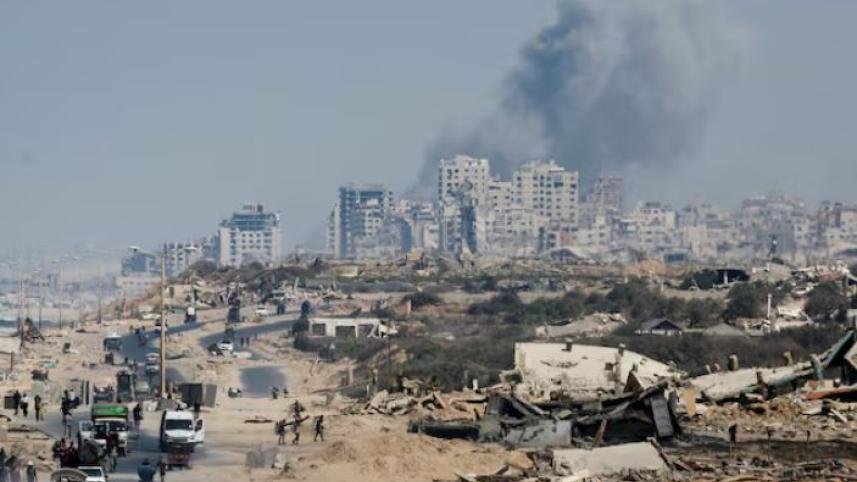


The recent resignations of BBC executives Tim Davie and Deborah Turness highlight underlying power dynamics. While initial reports focused on scandal and pressure, a closer examination reveals a different narrative: their departure stemmed from a controversy surrounding a misrepresentation of a Donald Trump speech rather than failures in reporting significant events like the Gaza crisis. This sheds light on the prioritization of avoiding offense to influential figures over reporting on critical global issues.
Western media, including institutions like the BBC, have historically shaped a dominant global narrative. These outlets, often funded by governments, present news through a specific lens that aligns with Western foreign policy objectives. The language used, the framing of events, and the choice of experts all contribute to a narrative that may not accurately reflect the diverse perspectives and experiences of people worldwide.
The power of narrative is evident in historical events such as the Iraq War, where mainstream Western media played a role in amplifying certain narratives to justify military actions with devastating consequences. This narrative construction, as highlighted by scholars like Edward Said, has perpetuated stereotypes and justified oppressive practices by dehumanizing certain populations.
In many parts of the world, there is a reliance on Western media as a source of information and validation, a legacy of colonial influence. However, there is a growing recognition of the need to diversify sources of information and storytelling. The emergence of platforms like Al Jazeera has demonstrated the demand for alternative perspectives that challenge the dominance of Western narratives.
To reclaim narrative sovereignty, it is essential to support and amplify media from the Global South. Independent outlets across various regions offer unique insights and perspectives that are often missing in mainstream Western coverage. By prioritizing local sources and fostering critical media literacy, it becomes possible to challenge existing narratives and create a more pluralistic media landscape.
The resignations at the BBC serve as a reminder of the ongoing struggle for narrative sovereignty. It is a call to action for individuals and communities to take control of their stories, question prevailing narratives, and champion diverse voices. By reshaping the narrative landscape, we can move towards a more inclusive and equitable representation of global perspectives.