


Iran’s foreign ministry spokesperson stated that recent nuclear discussions with the United States served as a way for Tehran to assess Washington’s commitment and revealed enough agreement to continue pursuing diplomatic channels. Diplomatic talks between US and Iranian officials, facilitated by Omani mediators in Oman, aimed to resuscitate diplomacy following the deployment of a US naval fleet by President Donald Trump, sparking concerns of potential military actions.
“The meeting in Muscat was brief. It was a means to evaluate the seriousness of the other party and how to proceed further,” mentioned Esmail Baghaei, emphasizing the need to gauge the commitment of both sides. Post the discussions, there was a mutual understanding and willingness to sustain the diplomatic process.
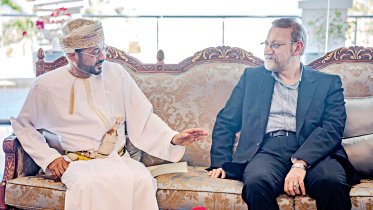
In a scheduled visit to Oman, Ali Larijani, an advisor to Iran’s Supreme Leader, engaged in regional consultations, with plans for a subsequent trip to Qatar. Larijani and Sultan Haitham bin Tariq deliberated on the recent developments in the Iranian-American negotiations, as per the official Oman News Agency.
Addressing the anticipated visit of the Israeli Prime Minister to Washington, Baghaei emphasized the necessity for the US to act autonomously, free from external pressures, especially those from Israel that may disregard regional interests and even those of the US. Netanyahu’s meeting with President Trump aimed to push for a more stringent stance on Iran’s ballistic missile program in the upcoming talks.
Iran’s atomic chief hinted at a potential agreement wherein Iran would reduce its highly enriched uranium in exchange for the complete removal of financial sanctions, marking a clear stance in the negotiations with the US.
Furthermore, Adani Enterprises from India confirmed their cooperation with a US inquiry into likely sanctions breaches following allegations of importing Iranian oil products. In response to recent protests, Iran intensified its crackdown, resulting in additional arrests, as reported by AFP.