


In Washington, the rhetoric surrounding the ongoing conflict has been marked by a sense of victory and self-congratulation, despite the stark divergence from reality. Despite claims of successful strikes on oil refineries and missile launchers, and the declaration of the Iranian navy’s defeat, the Strait of Hormuz remains closed after nearly two weeks. Oil prices have surged to around $120 per barrel, and the Tehran regime not only stands strong but also seems to be consolidating its position amidst the crisis.
The initial expectation of a swift and decisive triumph has proven to be far from reality. The fundamental flaw lies in the US’s lack of comprehensive understanding of the nation it chose to engage in warfare.
The strategy in Washington was predicated on the belief that severe military action would lead to the emergence of moderate factions in Iran, paving the way for diplomatic resolutions. The hope was for Iran to distance itself from Russia and China, allowing for the resumption of oil exports and a reshaping of regional dynamics in favor of the US. Some policymakers argued that sustained military pressure was essential to prevent long-term nuclear escalation. However, the actual execution of these plans has exposed a profound misinterpretation of Iran’s nature.
Iran is not a nation easily fractured by external bombardment. It is a deeply rooted civilizational state with a robust security apparatus and a populace that, despite any discontent with the ruling clerics, remains fiercely protective of Iranian unity. The diversity of ethnic groups within Iran, including Persians, Baluch, Azeris, Kurds, and others, all share a strong attachment to the concept of Iranian statehood. Military attacks on a nation like Iran often serve to strengthen national unity rather than sow discord.
The recent appointment of a new supreme leader underscores Iran’s resolve to stand firm in the face of adversity.
Assessing the US’s achievements against its stated goals, it is evident that while Iran’s nuclear program suffered setbacks in the previous conflict, the missile and drone capabilities have sustained damage but remain operational. Moreover, Iran’s network of proxies in various regions continues to operate independently of the central leadership, making them resilient to airstrikes.
Iran’s strategy has been focused on making the conflict economically untenable for its adversaries. By disrupting the flow of oil through the vital Strait of Hormuz, Iran has sent a clear message about its ability to impact global economic stability. This tactic has already begun to affect stock markets and fuel prices, particularly in the US, where the public is sensitive to fluctuations in fuel costs.
The Gulf states, despite their initial stance of neutrality, have found themselves drawn into the conflict indirectly through the use of US bases on their soil. Their preference for containment over regime change in Iran reflects their understanding of the catastrophic consequences of a collapsed Iranian state on regional stability.
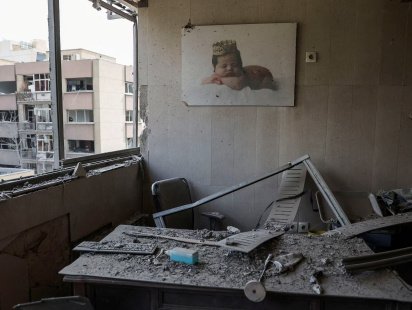
The toll on the Iranian population has been severe, with significant civilian casualties and extensive infrastructure damage. The burden falls on the Iranian people, who pay the price for a regime that does not necessarily represent their collective will. Paradoxically, the conflict has bolstered the regime’s position by providing a unifying external threat and a nationalist rallying point.
While there may eventually be a diplomatic resolution to the conflict, the underlying reality remains unchanged: the Iranian regime endures and strengthens in the face of adversity. The lesson drawn by adversaries is clear – resilience in the face of economic pressure and institutional fortitude can outlast military superiority.
The narrative from Washington may shift from triumph to more nuanced declarations, but the core lesson remains – engaging in economically draining conflicts with well-established opponents may not yield the desired outcomes in the long run.