
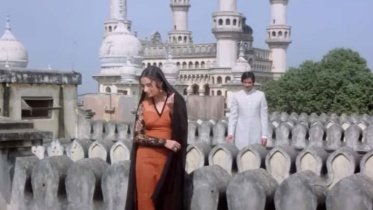


Renowned singer Ghulam Ali’s iconic ghazal “chupke chupke raat din aasoon bahana yaad hain” beautifully captures the essence of treasured memories, nostalgic sentiments, and enduring love, even in its absence. Crafted by the talented poet Hasrat Mohani and immortalized by Ghulam Ali’s soul-stirring vocals, this composition has touched the hearts of millions, particularly with its portrayal in the 1982 film, Nikaah.
Despite being just nine years old, the concepts of falling in love and heartbreak resonated deeply with me when I first heard this ghazal on a winter afternoon. Over the years, revisiting it at different life stages has unveiled new layers of its melancholic beauty, shaping my perception of love and loss. The ghazal’s profound metaphors, starting with a soft and contemplative tone, weave a tale of yearning and introspection.
Hasrat Mohani’s poignant verses read like intimate confessions, each couplet revealing fragments of a lost love story. Ghulam Ali’s rendition adds emotional depth to the ghazal, with his tender yet powerful voice conveying a range of emotions—from innocence to sadness to enduring affection. The melody, though seemingly simple, mirrors the protagonist’s emotional journey, evoking a sense of nostalgia and heartache.
The ghazal paints a vivid picture of a love story marked by sorrowful reminiscences and stolen moments, where separation carries a poignant weight but is met with a melancholic acceptance. Its universal themes of heartbreak and longing transcend cultural and linguistic barriers, resonating with listeners on a deeply human level.
As we celebrate Valentine’s Day, let us cherish the bittersweet memories encapsulated in these immortal verses. “Dopaher ki dhoop mein, mere bulaane ke liye – Woh tera kothe pe, nange paaon aana yaad hain, Humko ab tak ashiqui ka woh zamana yaad hain.” This timeless ghazal continues to speak to the soul, leaving an indelible mark long after its melody fades away.