
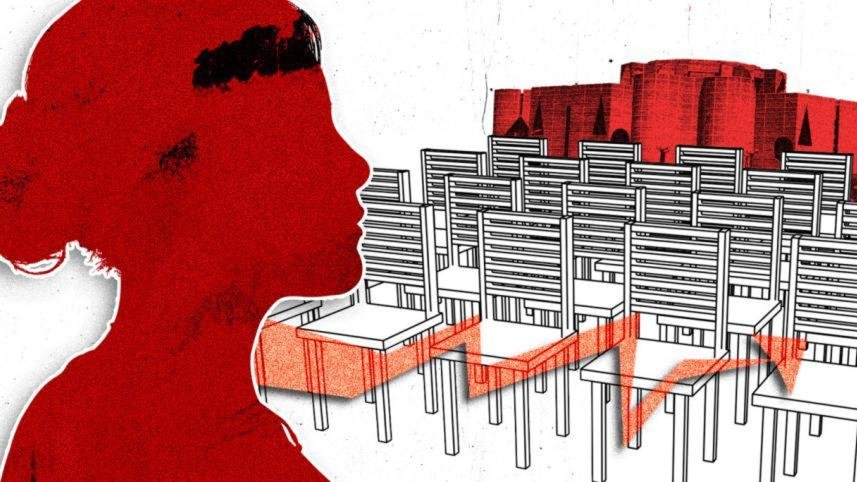


Women around the world face significant underrepresentation in politics, with less than one in four parliamentarians being female globally. In countries like Bangladesh, women encounter systemic barriers that hinder their political participation, including social norms, structural biases, and limited access to political networks. This lack of representation not only impacts gender balance at work but also hampers the development of workplace policies that promote equality. The upcoming elections serve as a crucial moment to address this issue by actively supporting women candidates within political parties.
In Bangladesh, women encounter obstacles when seeking formal employment, staying in the workforce, and advancing into leadership positions. Many women are relegated to informal, low-paying jobs with little job security, often leaving the labor market due to challenges such as inadequate childcare, unsafe commuting conditions, or inflexible work schedules. These workplace dynamics are influenced by decisions made by predominantly male leadership concerning budget allocations, labor regulations, social welfare, and urban safety.
A significant disparity in unpaid care work further highlights the gender imbalance. Women in the Asia-Pacific region bear a disproportionate burden of unpaid domestic and caregiving responsibilities compared to men, limiting their capacity to pursue careers. Without advocacy and legislative support, unpaid care work remains undervalued and unsupported, leading to workplace structures that favor uninterrupted male career trajectories.
Countries with higher female political representation demonstrate the positive impact of inclusive governance. For instance, Vietnam, where women hold about 31 percent of National Assembly seats, has invested in social services, labor rights, and education, resulting in increased female workforce participation. Similarly, Rwanda, with over 60 percent female parliamentary representation, has enacted policies addressing healthcare, social protection, and gender-based violence, fostering environments conducive to women’s formal employment. The Nordic countries also showcase the benefits of gender-balanced workplaces, achieved through near-equal political representation, which enabled initiatives like universal childcare, paid parental leave, and flexible work arrangements.
In Bangladesh, it is essential to prioritize the encouragement and support of women candidates, as their involvement is crucial for fostering equitable workplaces. When women are actively engaged in shaping policies, budget priorities, and legislation, workplaces become more accommodating, safe, and supportive of women’s professional growth. In contrast, political exclusion perpetuates policies that undervalue women’s labor, jeopardizing their safety and stability in the workforce.
Empowering women to participate in decision-making processes, set agendas, allocate resources, and challenge entrenched norms is imperative for achieving workplace equality. Creating avenues for rural, working-class, and disabled women to engage meaningfully in labor policy discussions ensures that workplace regulations align with the realities faced by diverse segments of the workforce.
Addressing workplace safety concerns, such as sexual harassment and abuse, requires robust laws and enforcement mechanisms, which demand political commitment. Without women in leadership roles, these protections may be inadequate, leading to the exclusion of women from leadership positions and formal employment opportunities.
Gender balance should not be viewed solely as a women’s issue but as a governance, democratic, and economic imperative. Diversity in leadership positions influences workplace environments, underscoring the need for women to occupy top positions to drive equality initiatives. As Bangladesh approaches elections and considers political reforms, promoting women’s candidacy and meaningful participation should be a primary focus to reshape workplace policies in alignment with diverse experiences and needs.
The experiences of various countries globally, such as Vietnam, Rwanda, the Nordic nations, and local communities, emphasize the pivotal role of women in politics in shaping equitable workplaces. Encouraging women to contest elections, secure victories, and influence policy decisions is not just a political necessity but the cornerstone for establishing fair and inclusive work environments.