
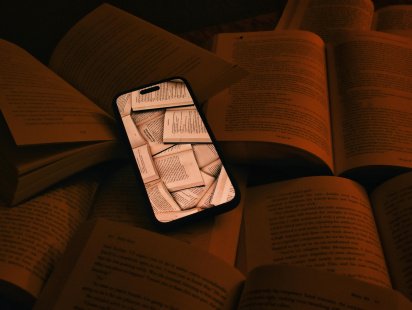


In a time when distractions are abundant, have you found yourself fully immersed in a chapter without being pulled away by notifications? Despite Bangladesh achieving a record high national literacy rate of approximately 77–78%, especially among individuals aged 15–24, the essence of reading seems to have evolved.
While traditional reading hasn’t vanished, it has evolved into a new form. E-books have seamlessly integrated into the daily routines of many students, like Amrin, a 21-year-old university student. Amidst lectures and part-time tutoring, she squeezes in reading during breaks and traffic delays, transforming mundane moments into opportunities to delve into a chapter or two.
Similarly, Shihab, a 24-year-old commuter from Dhaka to Jhenaidah, utilizes his travel time as his personal library hours. Acknowledging that physical books might not fit his hectic schedule, he finds solace in digital reading, which adjusts to the chaos of his daily life.
For some, reading transcends mere completion of a narrative; it embodies a sense of connection and nostalgia. Ayan, 24, cherishes his physical books stored on a small wooden shelf, reminiscent of his late grandfather who used to read to him every evening. The tactile experience of flipping through aged pages evokes memories and emotions that a screen cannot replicate.
Diverse reading preferences are evident, with Nabila, 25, noting her contrasting reading styles between Kindle and paperback. While screens offer convenience and speed, physical books provide a deeper emotional connection, allowing readers to immerse themselves fully in the narrative.
Educators have observed the impact of digital reading on students, facilitating access to a wealth of knowledge and transforming mundane moments into opportunities for learning. However, the tangible aspects of physical books, such as personal markings and sentimental value, evoke a sense of intimacy and connection that screens may struggle to emulate.
Ultimately, the concern lies not in the format of reading but in the depth of engagement. Are we engaging with literature profoundly enough to be transformed by it? As the current generation shapes the future landscape, the balance between digital convenience and traditional intimacy in reading remains a crucial consideration. Both the digital reader in transit and the individual holding a beloved paperback may be safeguarding something invaluable — the essence of returning to the page and immersing oneself in its narrative.