


During Bangladesh’s 13th parliamentary elections, a wave of disinformation flooded social media platforms like Facebook and Telegram, orchestrated by political actors linked to various parties such as Awami League, Jamaat-e-Islami, and Bangladesh Nationalist Party (BNP). This misleading campaign aimed to confuse voters, sow panic, and undermine trust in traditional media.
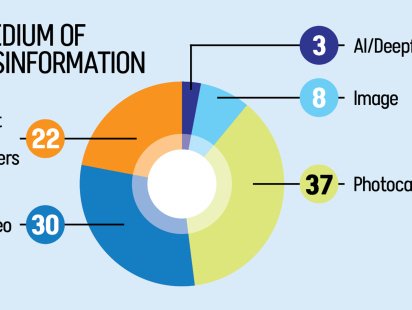
The disinformation blitz commenced just before the voting began and persisted throughout the polling day. Strategies employed included recycling old content, sharing AI-generated deepfakes, and circulating fake news photocards falsely alleging candidate withdrawals and election cancellations.
The Daily Star meticulously documented 100 instances of disinformation spread through Facebook and Telegram from 8:00 pm on February 11 to 4:30 pm the following day. Jamaat-aligned entities accounted for the majority of the disinformation, followed by Awami League supporters, BNP groups, and National Citizen Party affiliates.
Notable incidents included a Facebook page claiming the election’s cancellation at midnight and the circulation of fabricated news photocards mimicking reputable Bangladeshi media outlets. Disinformation about candidate withdrawals and false violence allegations were rampant, with the aim of voter suppression and inciting moral outrage.
A coordinated effort by pro-Jamaat entities aimed to portray mainstream media as biased and complicit in a supposed “media coup” favoring BNP, with claims of media suppression of electoral irregularities. High-profile figures and social media influencers amplified these narratives, garnering significant engagement.
Furthermore, pro-Awami League factions spread disinformation alleging ballot-stuffing and casting doubt on election legitimacy, primarily targeting Jamaat. False claims of completed voting and police raids on Jamaat members were circulated to manipulate public perception.
The spread of disinformation during the elections was identified as harmful, with fabricated content fueling confusion, panic, and mistrust among voters. Efforts by fact-checking organizations like Dismislab and FactWatch to debunk false information were crucial in combating the spread of misinformation.