


Throughout the ages, the people residing in the haor region have lived in harmony with the water cycle, basing their activities on water patterns rather than fixed dates. Their way of life revolved around the arrival, duration, and retreat of water, shaping their agricultural and fishing practices. There was a collective understanding that land is transient, leading to cautious and temporary land use. The seasonal movements, temporary dwellings, and farming techniques all reflected this awareness of limits, influenced by past water cycles and future expectations.
However, the traditional approach to managing the haor has shifted in modern times. Structures are now constructed without considering the return of water. The communal stewardship has diminished, and regulatory oversight has loosened, allowing for increased exploitation of resources. Haors are increasingly seen as fixed properties rather than shared legacies. This change poses a significant challenge to Bangladesh’s policy narrative regarding its wetlands. The crucial question remains: Can the nation relearn how to govern its wetlands by acknowledging vulnerability, impermanence, restraint, and ecological boundaries?
Wetlands in Bangladesh encompass around 70-80 lakh hectares, approximately half of the total land area. These include various water bodies like rivers, lakes, fish ponds, and mangrove swamps, serving as essential natural infrastructure supporting the environment, economy, and biodiversity. Despite their vital role, the value of wetlands is not fully integrated into governance processes, leading to gaps in decision-making, budget allocation, and enforcement practices. Consequently, wetlands are increasingly at risk, evident in the degradation of urban wetlands, haors, and coastal ecosystems.
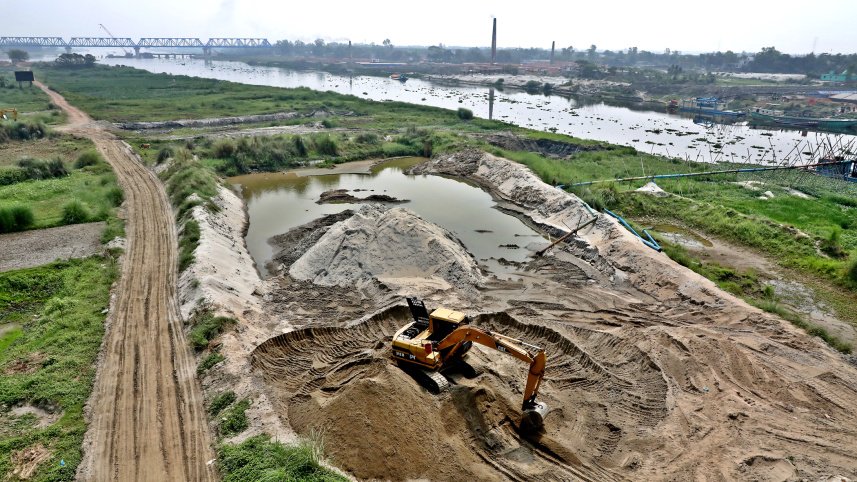
Urban wetlands in Bangladesh are deteriorating rapidly compared to other types. The wetland area in Dhaka decreased significantly over the years, with a substantial loss observed in a single decade. Similar patterns are observed in Chattogram, where wetland coverage has declined, accompanied by worsening pollution levels in rivers. The haors in northeastern Bangladesh, covering vast areas and supporting millions of people, are also facing ecological degradation due to climate change and human interventions. The loss of waterbody area in prominent haors has increased significantly, impacting biodiversity and local livelihoods.
Coastal wetlands in Bangladesh are under severe pressure from rising sea levels, salinity intrusion, and climate change. The projections indicate potential permanent submergence of coastal areas by the end of the century. These wetlands are highly vulnerable to salinity intrusion, posing threats to water availability, land productivity, and biodiversity. The coastal region is experiencing various challenges such as land erosion, flooding, and loss of agricultural productivity, further compromising wetland services and local communities.
Despite a robust policy framework recognizing wetlands, effective protection on the ground has been lacking. Wetland governance in Bangladesh is fragmented across multiple ministries and institutions, leading to unclear ownership and inadequate enforcement. Management of wetlands suffers from staffing shortages, limited resources, and weak monitoring systems, allowing degradation to persist. To safeguard wetlands, Bangladesh needs to transition from fragmented responsibilities to clear mandates, performance indicators, and adequate funding. Preventive enforcement measures, community co-management, and sustainable approaches tailored to the dynamics of different wetland types are crucial for long-term protection.
The future of Bangladesh’s wetlands hinges on moving beyond mere recognition to active protection and enforcement. Establishing permanent systems with clear mandates, budgets, and public oversight is essential to combat degradation and ensure sustainable wetland management.
Muhammad Muktadirul Islam Khan is principal researcher and head of consultants at the Sustainability Action Learning Lab. He can be reached at [email protected].
Views expressed in this article are the author’s own.
Follow The Daily Star Opinion on Facebook for the latest opinions, commentaries, and analyses by experts and professionals. To contribute your article or letter to The Daily Star Opinion, see our guidelines for submission.