
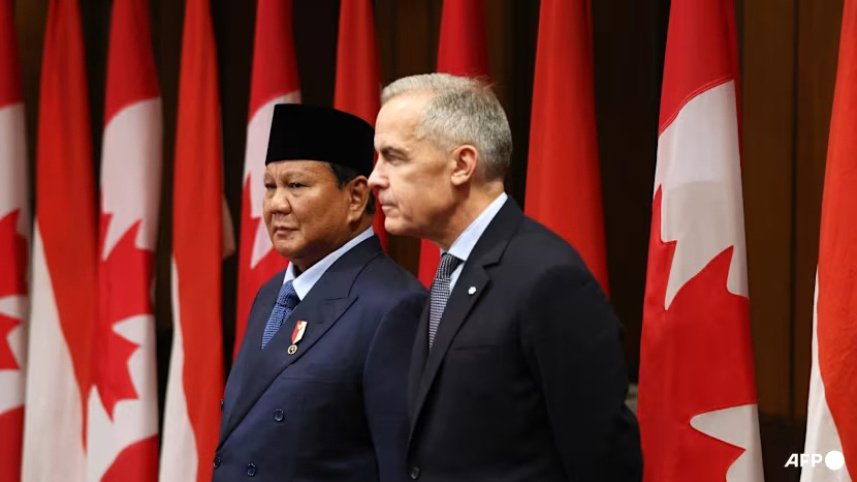


Canada and Indonesia have recently inked a bilateral free trade deal to slash or eliminate tariffs on the majority of Canadian exports to Indonesia, a key market in Southeast Asia. The move comes amidst global economic instability worsened by the protectionist stance of the United States, as noted by experts.
Describing it as a timely and strategic pact with the right partner, Canadian Prime Minister Mark Carney emphasized the significance of Indonesia as Canada’s largest export market in Southeast Asia. Indonesian President Prabowo Subianto hailed the agreement as a historic milestone during his visit to Ottawa, marking the first of its kind with a member nation of the Association of Southeast Asian Nations (ASEAN).
The deal, known as the Comprehensive Economic Partnership Agreement (CEPA), allows Canada to enhance its footprint in the Pacific region, aligning with the strategic goals set forth by the prior administration led by Justin Trudeau. This agreement will also see over 90 percent of tariffs on Indonesian imports into Canada removed, particularly benefiting the export of textiles and leather goods to the North American market.
Additionally, a defense collaboration agreement was signed concurrently, focusing on enhancing cooperation in military training, maritime security, cyber defense, and peacekeeping efforts. The signing of these agreements closely followed Indonesia’s conclusion of a trade deal with the European Union after nearly ten years of negotiations.
An economist from Andalas University, Syafruddin Karimi, highlighted that by securing two trade agreements in quick succession, Indonesia is fortifying itself against the uncertainties stemming from trade tariffs imposed by the U.S. This move is seen as a strategic diversification strategy to mitigate risks related to global trade volatility, without indicating any departure from the American market.