
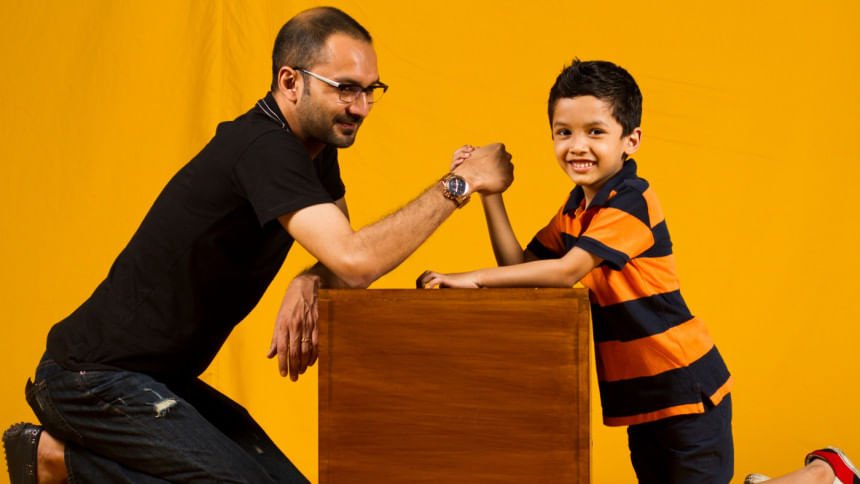


In the past, societal norms dictated that men should demonstrate love primarily through actions, keeping their true feelings hidden. This raises the question of whether traditional patriarchal expectations still influence our views on emotional expression today.
Fatherhood has historically been characterized by rigid traditional values. Despite being a crucial figure in the family unit, fathers are often perceived as emotionally distant while being primarily responsible for providing and earning. This traditional role emphasizes material support over emotional connection.
Fathers typically operate in the background, their sacrifices and contributions frequently going unnoticed. Their role in maintaining the family structure is indispensable, yet undervalued.
Traditionally, fathers are tasked with managing finances and ensuring the family’s well-being. Despite their emotional reserve, they selflessly cater to their family’s needs, often making personal sacrifices.
Men are conditioned to conceal their deepest emotions and vulnerabilities, believing it is unmanly to share these burdens. Any emotional support is usually sought from their spouses, albeit at a distance.
Balancing work and family responsibilities leaves fathers with limited time to bond with their children, leading to stronger connections with their mothers. While fathers struggle to meet expectations, mothers are often perceived as the emotional pillars of the family.
This narrative of fatherhood is a common tale from the past. However, contemporary fathers are striving to break free from traditional norms by embracing more expressive and nurturing roles.
As societal views on gender roles evolve, modern fathers find themselves navigating between traditional expectations and contemporary ideals. While individual fathers have adapted, society as a whole continues to grapple with outdated perceptions, adding complexity to the fatherhood experience.
Despite advocating for equality and shared responsibilities, society still pressures fathers to embody stoicism while juggling various roles. The expectation for fathers to excel in financial provision and emotional caregiving perpetuates outdated notions of masculinity.
The evolving concept of fatherhood calls for a shift away from traditional patriarchal roles. Embracing a new paradigm of parenthood allows men and women to succeed while prioritizing their humanity. Fatherhood should not be confined to prescribed duties but rather viewed as a heartfelt expression of love—an ongoing journey of empathy, connection, and presence that reshapes the essence of fatherhood.