
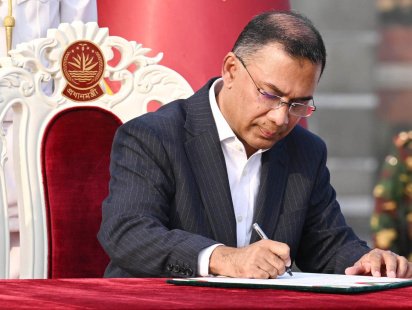


A decisive victory often feels like a grand celebration. Streets buzz with excitement, social media buzzes, and the mandate looks unshakeable. For the Bangladesh Nationalist Party (BNP) and the newly appointed Prime Minister Tarique Rahman, this win was extraordinary. Securing 212 out of 297 parliamentary seats with confirmed results, the BNP has clinched a mandate that few could have foreseen a decade ago. Analysts and observers credit Tarique Rahman’s strategic foresight, disciplined organizational leadership, and ability to resonate with voters across urban and rural landscapes for this resounding success. His leadership unified fragmented opposition forces into cohesive campaigns and efficiently mobilized the party’s grassroots network.
Despite nationwide jubilation, such a significant victory brings both opportunities and challenges. While electoral dominance bestows unparalleled authority, it also raises expectations, intensifies scrutiny, and attracts attention from both domestic and international adversaries. As the BNP assumes power after two decades, Tarique Rahman’s task is now to translate electoral triumph into stable governance, institutional credibility, and the maintenance of public trust.
The country’s administrative apparatus, including civil bureaucracy, law enforcement, and regulatory bodies, has been influenced by partisan interests over the years. As a new political figure and prime minister for the first time in 30 years, Tarique Rahman’s leadership will be tested in asserting authority without causing institutional gridlock. Swift purges may appease supporters but could alienate crucial civil servants, while excessive caution may disappoint grassroots followers eager for swift redress of past grievances. Rebuilding faith in public institutions demands a clear commitment to the rule of law, judicial independence, and merit-based appointments. Tarique must navigate a fine line between assertiveness and caution, signaling change while upholding continuity to demonstrate responsible governance with a massive mandate.
The opposition remains a formidable force. While the Awami League’s influence has waned, it still has the potential to rally public support in the future. Meanwhile, Jamaat-e-Islami, with 68 seats and nine allied seats, stands as a vocal and organized opponent with substantial parliamentary representation and enduring influence at the grassroots level. Tarique Rahman’s ability to manage these dynamics—containing parliamentary hurdles, anticipating public demonstrations, and countering rival political narratives—will determine the resilience of his administration. Balancing strength without inciting instability and remaining responsive without seeming indecisive pose significant challenges.
Even with 212 seats, electoral success does not negate the necessity of diplomacy, both domestically and internationally. Foreign observers, particularly in Western nations, closely monitor policies that may empower radical elements at the expense of women’s rights, minority protections, or anti-terrorism commitments. Each major domestic decision may hold international ramifications. Tarique must assure both foreign allies and local constituents of responsible governance moving forward.
International relations will test the government’s strategic acumen. Managing relations with India, a vital partner for Bangladesh, requires delicate handling. Past tensions over trade, border issues, and regional collaboration make New Delhi cautious. Missteps could lead to economic repercussions, especially in sectors reliant on regional stability. Additionally, overly accommodating stances risk backlash from nationalist supporters domestically. Simultaneously, China’s partnership, particularly in infrastructure and investments through the Belt and Road Initiative, is crucial. Western governments stress democratic governance, labor standards, and trade integrity. Tarique Rahman’s ability to navigate these intricate diplomatic waters while advocating for Bangladesh’s interests without alienating key partners will be pivotal to his legacy.
Economic challenges further raise the stakes. Inflationary pressures, foreign exchange constraints, and global supply chain disruptions limit fiscal flexibility. Public expectations for job creation, energy security, and price stability are high. Structural reforms, such as enhancing banking transparency, boosting revenue collection, and rationalizing subsidies, are imperative yet politically sensitive. The newly inaugurated PM will be evaluated based on the BNP’s ability to translate electoral enthusiasm into tangible economic progress. Managing internal party competition—balancing senior leaders vying for influence with young reformists advocating modernization—calls for political astuteness and managerial prowess.
Tarique Rahman’s political journey, marked by exile, controversy, and polarizing statements, has culminated in his role as prime minister. His transition from an opposition figure to the head of the government will be closely monitored. Demonstrating inclusive leadership, institutional integrity, and governance expertise is paramount. Centralizing power excessively risks internal dissent, while delegating too widely risks disarray. Striking this balance, under public scrutiny, will test not only his political savvy but also his ability to instill confidence in Bangladesh’s diverse society. Effective leadership in this context hinges less on electoral promises and more on discipline, practical governance, and the ability to deliver results under pressure.
If Tarique Rahman can leverage his electoral success to promote inclusive governance, pragmatic foreign relations, and meaningful economic reforms, this victory could signify a significant turning point for Bangladesh. Failure to do so could lead to another cycle of political confrontation, highlighting the complexities and challenges ahead despite