
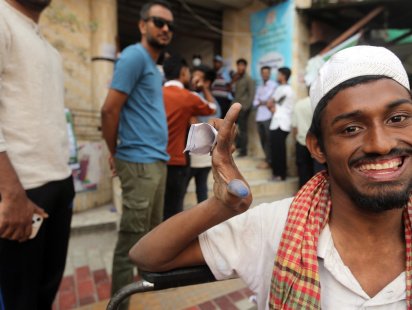


On Thursday, Bangladesh conducted a satisfactory election, marking the first time in 18 years that participation was not restricted by the government. While the Awami League did not participate due to past coercive tactics, the election proceeded smoothly with no major disruptions reported. Despite the AL’s absence, it still maintains a strong support base, contributing to a relatively peaceful voting process.
Preceding the election, concerns arose regarding the country’s stability after years of questionable governance. The interim government witnessed a rise in religious fundamentalism and violence, impacting vulnerable communities and cultural activities. The election posed a pivotal moment for Bangladesh’s future direction, transitioning from unaccountable governance to an elected administration.
Following the election, the new government faces immediate tasks. Ensuring fair trials for past incidents, addressing human rights violations, reviewing international agreements, revitalizing cultural life, and implementing structural reforms are crucial steps. Upholding democratic values, fostering diversity, and promoting accountability are key priorities for the incoming government.
The new government’s early actions will determine public trust and its effectiveness in office. With a significant mandate comes the responsibility to lead the country towards democratic progress and address past shortcomings. The future trajectory of Bangladesh hinges on the decisions and actions of the newly elected officials.