
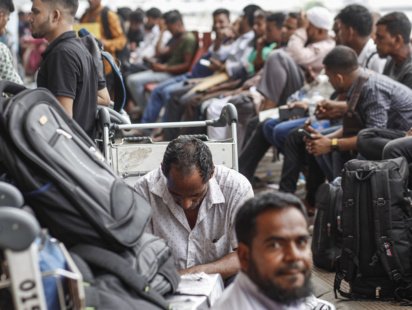


A flight from Shah Amanat International Airport in Chattogram to Dhaka faced a three-hour delay on March 12 due to the late arrival of the incoming flight from Dubai. Despite being a domestic flight, the US-Bangla Airlines aircraft had come from Dubai via Chattogram before heading to Dhaka. Passengers, including those arriving from Dubai, shared mixed reactions about the delay, with some expressing relief at being back home while others voiced concerns about the evolving situation in the Gulf amidst the US-Israel conflict with Iran.
Among the travellers was Mohammad Yasin from Cumilla, who had just returned home after six years in Dubai. He described the situation in Dubai as both positive and negative, highlighting the efforts to mitigate missile threats and the heightened anxiety among Bangladeshi migrants in the UAE. Another migrant, Moinul Hossain, noted increased apprehension among European and American expatriates in Dubai, leading to some leaving the country. Concerns and rumors about the war circulated among the Bangladeshi community.
Despite the passengers’ willingness to share their experiences on video, they declined due to restrictions on discussing the conflict in Arab countries, especially on social media. Reports emerged that migrant workers were advised against posting anything related to the war online to avoid potential repercussions, including detention for violating the guidelines.
The ongoing conflict not only raised fears of war but also created uncertainties about the livelihoods of around five million Bangladeshi migrant workers in the Middle East who heavily rely on remittances. Flight cancellations and airspace closures in various countries disrupted travel plans, leaving many stranded and concerned about visa expirations and future opportunities.
The Ministry of Expatriates’ Welfare and Overseas Employment initiated support measures for affected migrants, including providing assistance for expired visas due to flight disruptions. The potential impact on the labor market and remittance flows from the Middle East raised concerns, prompting calls for proactive readiness to address challenges that may arise.
As the conflict unfolded, safety remained a top priority as missile attacks claimed lives and injured several Bangladeshi nationals across the Middle East. Bangladeshi embassies advised migrants to stay indoors and avoid sharing war-related content on social media until the situation stabilized.
The article concluded with a reflection on the invaluable contributions of migrant workers to Bangladesh’s economy and the need for reciprocal support from the state during crises like the ongoing conflict. It highlighted the resilience and sacrifices of millions of migrants and expressed hope for a peaceful resolution to the conflict, ensuring the safety of those far from home, carrying Bangladesh in their hearts.