
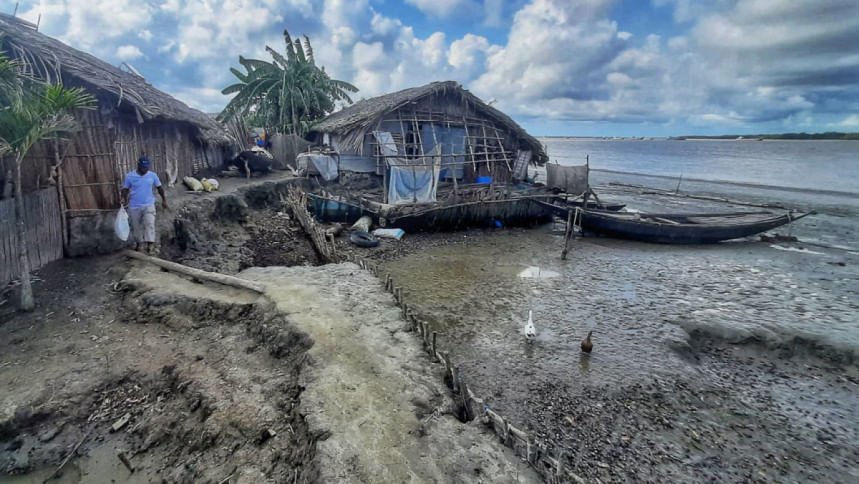


Bangladesh’s susceptibility to climate change impacts has been a topic of concern, with projections indicating significant human, economic, and cultural losses for the country. In response, Bangladesh has taken proactive measures by implementing various climate change policies and actively participating in global climate negotiations such as the Conference of the Parties (COP), focusing on areas like Nationally Determined Contributions and the Fund for Loss and Damage.
Despite these efforts, there has been limited emphasis on establishing a comprehensive domestic legal framework to support Bangladesh’s international climate commitments. Particularly, the issue of climate-induced displacement and autonomous mobility related to climate change has not received sufficient attention compared to on-the-ground adaptation and mitigation initiatives.
Bangladesh has a history of displacement due to natural disasters, exacerbated by climate change impacts like intensified cyclones and sea-level rise. By the end of 2024, there were 585,000 internally displaced persons (IDPs) in Bangladesh, excluding those who have been compelled to move preemptively due to climate-related changes affecting their livelihoods and communities. With projections suggesting significant coastal land loss due to sea-level rise-induced flooding, it is anticipated that by 2050, one in seven Bangladeshis could be displaced due to climate change.
Urban areas, particularly Dhaka, are experiencing a continuous influx of climate-displaced individuals, leading to rapid urbanization and the emergence of informal settlements. These communities often face eviction threats and inadequate living conditions, raising questions about the effectiveness of current urban planning and climate response frameworks in providing essential services and shelter to those in need.
The existing Climate Change Strategy and Action Plan in Bangladesh lacks specific provisions for addressing human mobility in social protection and disaster management programs. This gap is further highlighted by the disconnect between national strategies on displacement management and climate change action plans, revealing a need for more cohesive policies and coordination among government entities.
While the Bangladesh constitution guarantees basic necessities like housing for all citizens, it falls short in providing enforceable mechanisms for climate-displaced persons. The current legal framework limits the settlement of displaced communities in urban areas, leading to insecure tenureship and vulnerability to further displacement risks.
Efforts to address these challenges have been met with limited success, with emergency legal interventions providing temporary relief but failing to address the root causes of climate-induced displacement. It is imperative for the government to prioritize durable solutions for displaced communities, acknowledging the specific needs of urban populations and implementing inclusive policies to ensure their safety and well-being.
Recognizing the urgency of the situation, a holistic approach is needed to address climate displacement issues, promote secure livelihoods, and develop sustainable tenure solutions for vulnerable communities in urban areas. Decentralized urbanization processes must be accompanied by policies that cater to the needs of displaced populations, aiming to provide long-term stability and resilience in the face of climate challenges.