
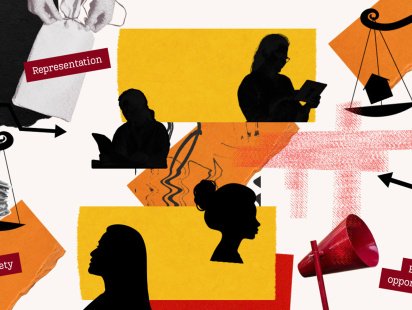


The 13th parliamentary session on Thursday witnessed a modest turnout of seven female members among a total of 300. The allocation of 50 reserved seats for women, based on proportional representation, aims to bridge the gender gap in political representation. The low presence of female MPs in a country where women constitute over half of the population highlights the existing barriers that hinder women’s active involvement in politics. It is imperative for a democratically elected government to acknowledge and address these structural obstacles by creating opportunities for women, particularly those with higher education, to participate meaningfully in the nation’s progress.
The recent election results underscore the significance of women voters who played a decisive role in shaping the outcome. The substantial turnout and clear preferences of women voters were a direct response to disparaging remarks made by the leader of the now opposition party. Such remarks questioning women’s suitability for leadership roles and advocating for limiting working hours to promote stay-at-home roles sparked a backlash. These comments resonated deeply in a country with a history of female premiers and where women drive economic growth. The incident highlighted the ongoing struggle for gender equality in the public sphere.
Despite significant advancements in educating girls and women in Bangladesh, challenges persist in translating educational achievements into sustainable careers. While women represent 47% of public university graduates, their unemployment rates, especially among young graduates, remain disproportionately high compared to men. The study also reveals that a considerable number of employed women are confined to the informal sector, lacking job security and growth opportunities. This discrepancy raises concerns about the efficacy of education in offering viable employment prospects for women.
The disconnect between educational attainment and employment opportunities presents a developmental paradox. The prevalent trend of steering women towards certain academic disciplines and industries further exacerbates this issue. Policymakers must redefine their expectations and actively promote gender-inclusive policies that empower women to thrive in diverse sectors such as technology, finance, and engineering.
Efforts to enhance career placement services and facilitate career progression for women are crucial. Addressing the slow career velocity and breaking the glass ceiling that impedes women’s advancement to decision-making positions are essential steps towards achieving gender equality in the workforce. Additionally, initiatives must focus on upskilling women to adapt to evolving job market demands and support their transition to leadership roles.
Societal norms and cultural expectations continue to constrain women’s choices and hinder their professional aspirations. Women often face challenges balancing domestic responsibilities with career ambitions, perpetuating stereotypes and limiting their participation in the workforce. Addressing workplace safety, harassment issues, and providing support for women during pivotal life stages, such as marriage and maternity, are paramount to fostering a more inclusive and equitable work environment.
The economic development of Bangladesh is intricately linked to the active participation of women across all sectors. Leveraging women’s intellectual capabilities and educational achievements requires a comprehensive policy framework that aligns educational curricula with market demands and promotes women’s engagement in high-growth industries. By fostering a supportive ecosystem that addresses childcare, transportation, and workplace protections, the government can empower women to realize their full potential in contributing to the nation’s progress.
It is imperative for the government and society as a whole to prioritize gender equality and ensure that women have equal opportunities to thrive and contribute to the country’s development.