
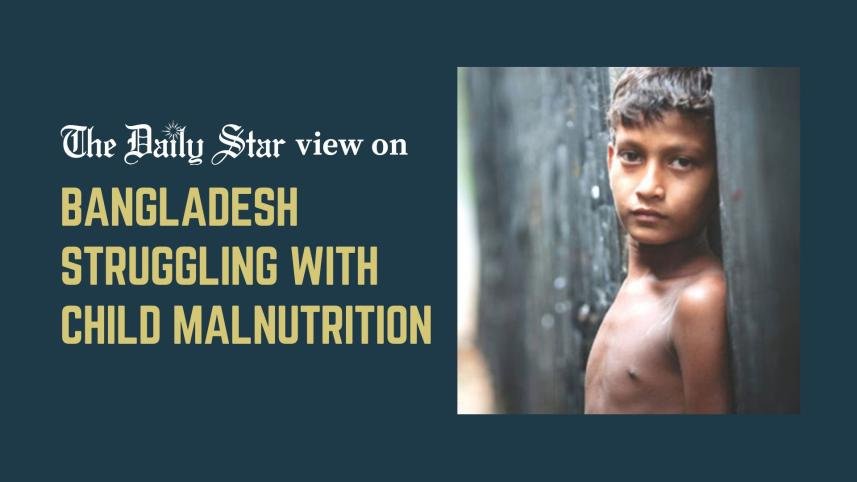


Bangladesh faces challenges in reducing child malnutrition despite progress in lowering infant and maternal mortality rates. Nearly two-thirds of children under five experience food scarcity, with one-fifth facing extreme deprivation. This results in many children not receiving recommended food groups such as breastmilk, eggs, dairy, grains, meat, fish, and vitamin A-rich fruits and vegetables. Consequently, 24% of children suffer from stunting, 11% from wasting, and 22% from underweight, with higher rates in urban slums, as per WHO standards.
Rising food prices and early marriage, prevalent in Bangladesh, contribute significantly to malnutrition. The country has the highest child marriage rates in South Asia, with adolescent mothers often from low-income backgrounds giving birth to undernourished children. This perpetuates intergenerational malnutrition, impacting children’s growth and cognitive development. Stunting affects learning abilities, while wasting weakens immune systems, increasing children’s susceptibility to health risks.
Efforts to tackle malnutrition have primarily focused on awareness-raising, targeting root causes like poverty and inadequate healthcare. However, experts now advocate for expanding direct intervention programs. Current per capita nutrition spending is $18, with 98% allocated to “nutrition-sensitive” initiatives and only 2% to direct interventions. The government’s relaunch of the School Feeding Programme in poverty-stricken areas aims to provide children with nutritious meals, although delays and irregularities in the tender process for food suppliers have been reported.
It is crucial for the government to investigate allegations of irregularities and ensure program integrity to benefit the intended recipients. Specific interventions tailored for urban slum areas, where malnutrition rates are high, are necessary. Strengthening efforts such as maternal supplementation, breastfeeding promotion, dietary diversity, and hygiene practices through frontline health workers is essential. Effective coordination among ministries is vital to optimize allocated resources and achieve desired nutritional outcomes.