
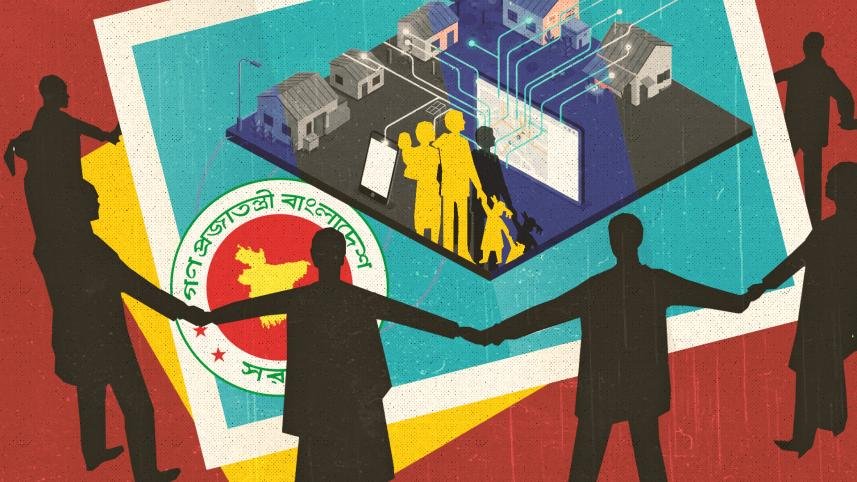


In Bangladesh, numerous local authorities eagerly await Dhaka’s approval before proceeding with road repairs, streetlight installations, or market expansions. These municipalities find themselves reliant on central funding and oversight, lacking a robust strategy to generate and manage their own revenue. The primary income sources for most municipalities currently come from holding taxes and trade license fees. However, their overall financial stability heavily relies on central government grants and development allocations, which often go underutilized due to inefficient assessment and collection processes, insufficient staff capacity, and inadequate digital record-keeping systems.
Boosting local revenue generation is not just about finances; it also hinges on effective governance and accountability. When residents witness their contributions being utilized for tangible improvements like improved infrastructure and services, they are more inclined to continue paying taxes. This trust forms a positive cycle where locally sourced revenue funds better services, leading to increased compliance and participation. Strengthening municipal finances can reduce the political vulnerability of municipalities dependent on central allocations influenced by political affiliations rather than actual needs.
Creating fair taxation systems and transparent fund utilization can encourage local businesses to formalize their operations and invest within the community. Enhancing municipal finances can enhance financial independence, promote transparency, and connect taxes to service delivery. Implementing simple yet effective tools such as household surveys to identify unregistered properties and economic surveys to set appropriate fees can expand the taxpayer base. Digital systems can ensure secure documentation of taxation data, preventing manipulation and maintaining public records’ integrity.
The concept of “local economic development” advocates for aligning revenue generation with local growth by fostering collaboration among local governments, businesses, and communities. Instead of solely relying on central funding, municipalities can leverage their strengths to drive economic initiatives tailored to local needs. Partnerships with industry associations can help update business registries and enhance compliance. By aligning revenue reforms with actual business dynamics, local governments can encourage entrepreneurship and economic growth.
Improving local revenue management requires addressing existing barriers such as insufficiently trained staff, corruption issues in trade license renewals, and a lack of citizen-friendly systems. Collaborative efforts involving the ICT Division, Local Government Division, private technology firms, and research partners can introduce user-friendly cloud-based revenue management platforms. Capacity-building programs for tax assessors and municipal officers, alongside citizen awareness campaigns, can instill a culture of transparent and effective local revenue management.
Transforming the current political culture in Bangladesh, which prioritizes Members of Parliament over local leaders, necessitates empowering municipal bodies to drive local development. Strengthening the fiscal independence of local governments can shift the focus towards local elections and enable municipalities to tackle issues like rural-to-urban migration by creating local employment opportunities. This approach aligns with the broader decentralization and inclusive growth agenda, emphasizing the strategic utilization of central support to build sustainable local systems.
When municipalities can fund community projects through locally generated revenue, it signifies not just administrative efficiency but also active democracy. Strengthening municipal revenue generation goes beyond financial considerations; it represents a crucial political reform that rebalances authority, accountability, and performance in Bangladesh’s development narrative.