
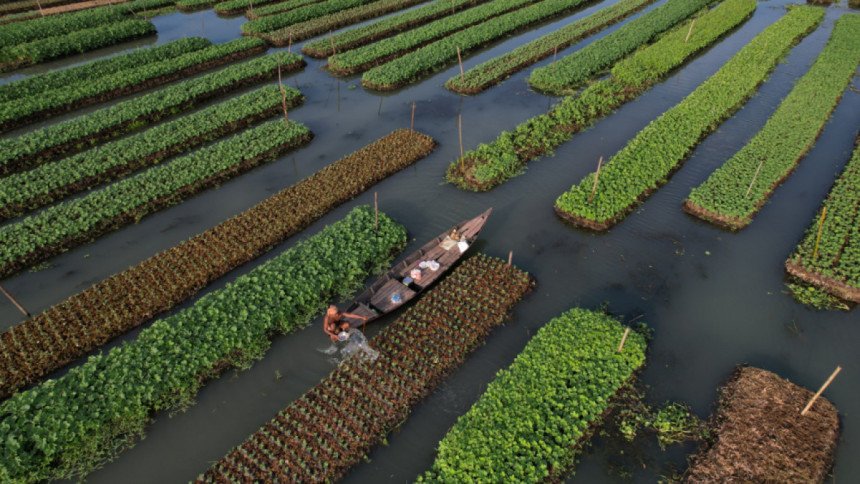


A recent study published in the 2021 edition of the academic journal Frontiers in Environmental Science presents a comprehensive overview of nature-based solutions (NbS) initiatives in Bangladesh. Researchers from various institutions, including the University of Oxford and Independent University, Bangladesh, highlighted the significant benefits of NbS in diverse ecosystems. The study emphasizes the importance of urban NbS and outlines future research directions.
In March 2025, the International Union for Conservation of Nature (IUCN) and the Global Center on Adaptation (GCA) released a compendium focusing on urban NbS in Bangladesh. This publication detailed 20 NbS initiatives across 12 districts. Despite the relevance of the first NbS compilation for Bangladesh, the compendium did not reference it, indicating a potential gap in disseminating crucial scientific information to local experts.
The IUCN, a renowned environmental organization, introduced the Global Standard for NbS in 2020, comprising eight criteria and 28 indicators to evaluate NbS effectiveness. The urban NbS compendium applied this standard to assess Bangladeshi NbS, revealing that 15 out of the 20 initiatives failed to meet the required thresholds, casting doubt on their classification as NbS. The compendium also noted a lack of documented biodiversity gains from these projects.
In recent years, several initiatives have incorporated NbS to enhance climate resilience in Bangladesh, such as the Coastal Towns Climate Resilience Project and the Bangladesh Climate and Environment Programme. Furthermore, organizations like CARE and WaterAid have implemented NbS projects to address environmental challenges in the country.
To scale up these initiatives, policy interventions outlined in Bangladesh’s National Adaptation Plan (NAP) are crucial. By implementing the identified NbS-related actions, allocating necessary funds, and integrating NbS into public investment projects, Bangladesh aims to enhance climate resilience and biodiversity conservation. Additionally, aligning with the IUCN Global Standard for NbS and establishing an NbS working group can facilitate the effective mainstreaming of NbS practices nationwide.
Dr. Haseeb Md Irfanullah, an environmental consultant and visiting research fellow at the University of Liberal Arts Bangladesh (ULAB), underscores the importance of leveraging policy interventions to advance NbS implementation and address climate challenges in Bangladesh.