
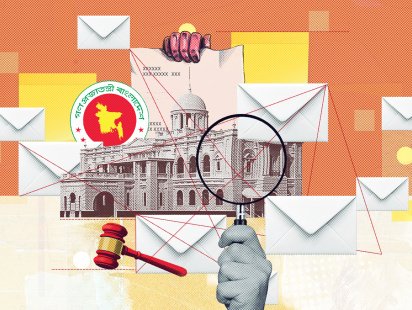


The International Crimes Tribunal is facing a significant challenge with the influx of complaints that do not align with its jurisdiction. These complaints, ranging from personal disputes to politically motivated accusations, undermine the tribunal’s ability to focus on serious offenses such as genocide and war crimes. A recent report revealed that out of 560 complaints received by the ICT investigation agency since August 5, 2024, 40 have been deemed outside the tribunal’s scope after initial review.
While the percentage of inadmissible complaints may seem small, each one still requires time and resources to be assessed, verified, and possibly investigated further. The ICT, established to handle offenses of exceptional gravity like crimes against humanity, must distinguish between genuine cases and those that belong in the ordinary criminal justice system. Mislabeling common crimes as crimes against humanity not only dilutes the gravity of atrocities but also burdens the justice system with unnecessary claims.
The consequences of frivolous complaints extend beyond wasting resources. They contribute to a culture of irresponsible case filing, as seen in a recent explosives case in Barishal that falsely accused deceased individuals. Such actions not only harm those falsely implicated but also hinder the pursuit of justice for legitimate victims of serious crimes.
Moreover, Bangladesh’s justice system is already struggling with delays and a backlog of over 46 lakh cases as of March 31, 2026. When the ICT must sift through unfounded complaints, it hampers the timely resolution of cases involving enforced disappearances, extrajudicial killings, and other atrocities. This delay erodes evidence, weakens witness testimony, and ultimately benefits those who can manipulate the system for their advantage.
To address this issue, the prosecution and investigation agency should implement stricter screening processes for complaints. Clear guidelines should be provided to the public to differentiate between crimes against humanity and ordinary offenses. Additionally, measures should be taken to penalize individuals who knowingly file false complaints or misuse the legal system for personal gain. Strengthening the ordinary criminal justice system, improving police accountability, and enhancing judicial oversight are also crucial steps to prevent the misuse of the ICT.
By enhancing accountability and deterring the abuse of legal processes, the International Crimes Tribunal can uphold its credibility and ensure that justice is served for the most serious crimes while protecting against the weaponization of the legal system.