


The United States revealed on Tuesday the initial installment of investments from Japan as part of a substantial $550 billion commitment made in the trade agreement with President Donald Trump. Japan pledged $36 billion towards three infrastructure ventures to fulfill its promises made in 2025 for reduced US trade tariffs.
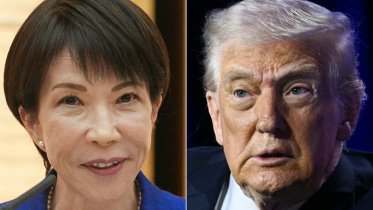
President Trump announced the progress on his Truth Social platform, emphasizing the significance of these projects and crediting tariffs for enabling their realization. The announcement preceded an upcoming meeting between Prime Minister Sanae Takaichi and the White House following Trump’s visit to Japan last October.
Takaichi highlighted the projects’ role in strengthening the Japan-US alliance by establishing resilient supply chains in critical sectors like minerals, energy, and AI/data centers. She expressed confidence in the mutual benefits and economic security enhancements these initiatives would bring, emphasizing ongoing collaboration for successful and efficient project implementation.
The projects include a natural gas facility in Ohio, a deep-water oil export facility in the Gulf of Mexico, and a synthetic diamond manufacturing plant. US Trade Secretary Howard Lutnick hailed the developments as a significant victory for American trade interests, particularly lauding the natural gas facility’s record-breaking power generation capacity and the oil project’s boost to US crude exports.
The synthetic diamond facility aims to reduce US dependence on foreign imports, particularly from China, securing strategic assets and bolstering industrial capacity. The investment structure ensures Japan’s return on investment while granting the US expanded capabilities and energy dominance.
In July, Tokyo committed to investing $550 billion by 2029 to revitalize key American industries in exchange for tariff reductions. The funding will primarily comprise bonds, loans from the Japan Bank for International Cooperation (JBIC), and credits with public guarantees, with only a small portion being actual capital.
As preparations for Takaichi’s visit to the White House progress, concerns have been raised about potential challenges Japanese companies may face due to uncertainties in administrative procedures and US labor shortages. President Trump’s recent warnings to South Korea regarding tariff increases for similar reasons have added to the unease among potential investors.