
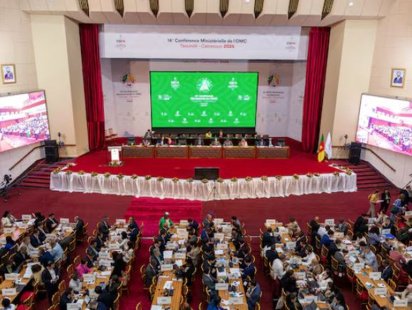


At a recent gathering of global trading nations at the World Trade Organisation (WTO) Ministerial conference in Cameroon, major players such as Europe, the UK, and Canada signaled a shift away from collective decision-making. Instead, they expressed a preference for pursuing voluntary or plurilateral agreements among themselves, moving away from the traditional consensus-based approach at the WTO.
This shift towards plurilateral agreements, focusing on areas like e-commerce, digital trade, and services, disregards the concerns of developing nations in the Global South. Should these agreements evolve into international law, all countries would be required to adhere to the rules, regardless of their input during negotiations. This move puts pressure on less powerful countries to either comply or risk exclusion from key trade agreements.
While multilateralism allowed smaller nations to influence decisions by blocking unfavorable deals, the rise of plurilateral agreements sidelines this inclusive approach. According to Jane Kelsey, an expert in law from the University of Auckland, plurilateral agreements enable select groups of powerful states to cherry-pick negotiation terms, potentially leaving less influential countries at a disadvantage.
Furthermore, the Global South faces challenges in participating effectively in trade negotiations due to limited resources and negotiating capabilities. Recent trade agreements, such as the India-EU deal and the Comprehensive and Progressive Agreement for Trans-Pacific Partnership (CPTPP) involving countries like Australia, the UK, and Canada, have the potential to restrict market access for less developed countries, further widening the economic gap.
The concept of a rules-based international order was questioned by Canadian Prime Minister Mark Carney at the World Economic Forum in Davos. Carney highlighted the hypocrisy of a system that relied on collective pretense for its power, comparing it to a facade that could crumble if challenged. The admission that the international order was flawed raises questions about the motives behind promoting and benefiting from a system that favored the wealthy over the disadvantaged.
As middle powers pivot towards self-interest in trade agreements, the plight of developing nations, particularly Least Developed Countries (LDCs), is exacerbated by rising tariffs and reduced aid. The withdrawal of aid by countries like the UK and other EU donors reflects a broader trend of diminishing support for international development efforts, impacting regions like Africa disproportionately.
The shift away from traditional aid models towards self-serving policies risks alienating developing nations and may drive them to seek alternative partnerships, including aligning with countries like China. This shift in global dynamics underscores the need for a reevaluation of power dynamics and justice in international relations, beyond mere adherence to established rules.
Dr. Dan Gay, an expert in international trade and development economics based in the UK, offers insights into the evolving landscape of global trade and development.
—
For more expert opinions and analyses, follow The Daily Star Opinion on Facebook. If you wish to contribute an article or letter to The Daily Star Opinion, please refer to our submission guidelines.