
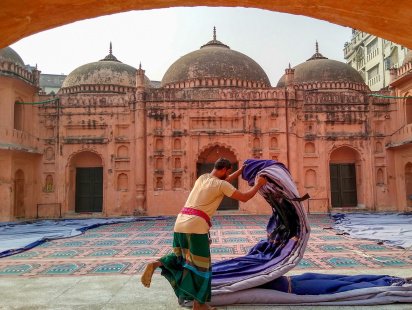


Bangladesh boasts a wealth of stunning mosques, ranging from ancient Sultanate era structures to contemporary architectural marvels. Among these, the Mughal mosques stand out as a fascinating part of the country’s heritage.
In the spirit of Ramadan, Star Lifestyle presents a curated map showcasing Bangladesh’s notable Mughal mosques—a must-visit list for enthusiasts. This map, meticulously crafted over a month, invites you to explore these centuries-old edifices.
Delving into the historical context, the Mughal era in Bengal began in 1576 when the region was conquered by Mughal rulers. While some argue for a strict end in 1757 following the Battle of Palashi and the Empire’s decline, others extend it to 1857 due to subsequent events like the Sepoy Revolt.
Navigating the complexities of defining the Mughal era, our focus remains on mosques embodying Mughal architectural essence, even if established post-1757. The selected mosques feature distinctive three-domed structures, ornate facades, corner turrets, and intricate interior details like cusped arches and floral motifs.
Regrettably, many Mughal mosques have undergone alterations like repainting, tiling, or extensive renovations, leading to their exclusion from our list. Similarly, mosques with questionable Mughal lineage based on inscriptions, architecture, or historical records were also omitted.
The curated map showcases prominent Mughal mosques worth exploring for history enthusiasts, though limitations in space prevented the inclusion of all significant sites in Dhaka. Notably, certain mosques in the Greater Mymensingh region are officially under Dhaka division, underscoring the map’s regional complexities.
Despite challenges faced during this endeavor, we present this map with the hope of inspiring visits to these historical treasures and sparking conversations about the enduring legacy of the Mughals in Bangladesh.