


As the call to prayer echoes through the city at sunset, the traditional iftar feast typically begins with a spread of fried delights like piyaju and beguni. While these dishes hold cultural significance, after a day of fasting, our bodies crave rejuvenation rather than heaviness. It may be time to reconsider our choices and opt for lighter, more hydrating options.
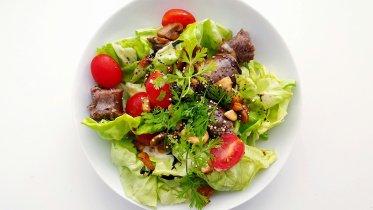
Following a day of fasting, the body seeks easily digestible nutrients, making salads an ideal choice. Salads offer essential minerals, stabilize blood sugar levels, and aid in boosting immunity while combating fatigue. Despite the misconception that salads are bland or unsuitable for festive occasions, they can be vibrant and flavorful with the right combination of ingredients.
Think of juicy tomatoes, creamy avocado, tender chickpeas, and sweet dates or bananas tossed with olive oil, lemon juice, or yogurt dressing. By adding nuts or seasoned chicken, salads can be transformed into nourishing yet indulgent dishes.
Crafting the perfect iftar bowl is akin to creating a masterpiece with various flavors on a green canvas. Incorporating kitchen essentials like cucumbers, carrots, lentils, and spinach alongside contemporary elements such as cheese dressings can provide hydration, fiber, and essential vitamins for rapid recovery.
While salads are often associated with leafy greens, incorporating clean proteins like chickpeas, grilled chicken, or boiled eggs can enhance satiety and maintain energy levels throughout the evening. Fruits commonly enjoyed during iftar can be elevated into vibrant salads with a sprinkle of spices or a drizzle of honey, serving as a natural energy source.
Nuts like cashews, almonds, and peanuts offer a delightful crunch and healthy fats, while chia seeds provide additional fiber and nutrients. Including nuts in iftar salads not only enhances flavor but also promotes a balanced and nutritious meal.
Dressing plays a crucial role in elevating the salad experience. A simple mix of extra virgin olive oil and garlic can transform a basic salad into a gourmet delight. Crafting rich dressings like Caesar or gyro-inspired options can cater to diverse preferences and add depth to the dish.
Opting for salads at iftar does not mean forsaking tradition. By reducing heavy dishes like alur chop and haleem and incorporating fresh salads, iftar can be lighter, more nourishing, and still celebratory. Starting the meal with a salad before indulging in heavier fare can alter the dining experience significantly.
Choosing nutritious options at iftar involves honoring the body’s needs after a day of fasting. Salads offer a harmonious blend of colors, textures, and flavors, providing a balanced and revitalizing meal. Let this year be a start to embracing freshness and feeling truly nourished with a different approach to iftar.