
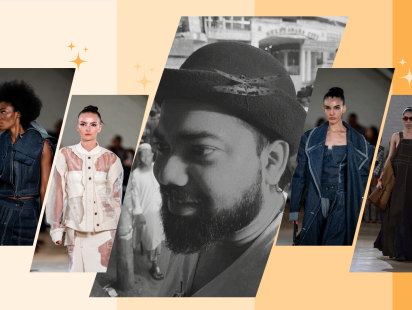


On February 19, 2026, Bangladesh made a significant mark at the London Fashion Week as Tanvir Mahidy, a talented Bangladeshi designer from Manchester, debuted his collection with a compelling message. His runway presentation featured fashion pieces showcasing expert craftsmanship and daring patterns.
Mahidy’s journey in the fashion industry began in 2012 in Bangladesh’s ready-made garment sector. Starting at Beximco, a prominent industrial conglomerate, he later worked as a designer at Noize Jeans and collaborated with renowned global brands like Zara, Diesel, Calvin Klein, Primark, and Levi’s.
His expertise in denim went beyond fashion trends, recognizing it as a specialized technical skill. Mahidy emphasized denim’s textile weight and durability, making it appealing to consumers.
In addition to manufacturing, Mahidy worked with director Amitabh Reza Chowdhury as a costume designer for various TV ads, refining his skills in narrative storytelling and visual impact, which now define his runway collections.
At the London Fashion Week, Mahidy used his platform to shed light on the environmental impact of denim production rather than glorifying its traditional industrial appeal. He drew inspiration from Bangladesh’s polluted rivers, reflecting on the industrial waste from denim production that harms the environment.
His showcase wasn’t just a personal achievement but a proud moment for Bangladesh, symbolizing activism against environmental degradation through fashion. The presence of Bangladesh High Commissioner at London, Her Excellency Abida Islam, further highlighted the national significance of Mahidy’s work.
Currently serving as a Menswear Designer at INFLUENCE MANCHESTER for Native Youth, Mahidy represents a new generation of Bangladeshi designers influencing the global fashion scene. His strong academic background, including an MA in Fashion Design from the University of Salford, has propelled his successful career.
Reflecting on his London Fashion Week debut, Mahidy expressed pride in representing Bangladeshi culture on an international stage, following in the footsteps of Bibi Russel. He sees this as a positive sign for the future of the fashion industry, signaling progress and growth ahead.