
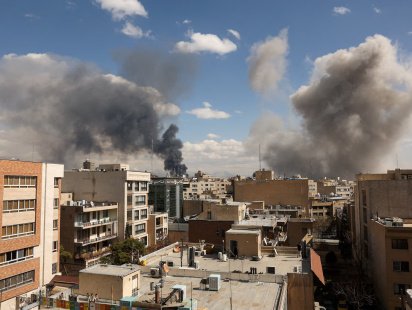


On Sunday, the Ministry of Foreign Affairs of Bangladesh released a statement addressing the recent attacks on Iran. The statement expressed concern for the safety of Bangladeshi nationals and highlighted the potential threat to regional stability and civilians due to ongoing conflicts. It called on all parties involved to show restraint and condemned violations of sovereignty in various countries, including Bahrain, Iraq, Jordan, Kuwait, Qatar, Saudi Arabia, and the UAE. The statement concluded by expressing hope for the swift return of peace and stability.
However, the statement notably omitted naming the United States or Israel, the countries responsible for the unprovoked attacks. It also avoided directly identifying Iran as the primary victim. This deliberate choice in the statement reflects a shift in the approach of the new government, prioritizing strategic considerations over public sentiment and populist approval.
A subsequent statement issued by Dhaka a day later expressed sorrow over the targeted assassination of Ayatollah Ali Khamenei, denouncing it as a violation of international law and norms. The statement extended condolences to the people of Iran and emphasized the importance of dialogue, mutual respect, and adherence to international law in resolving conflicts. This subtle change in tone signifies a significant adjustment in diplomatic messaging.
The initial and subsequent statements serve as crucial signals from the new administration on its foreign policy stance. Diplomatic language plays a pivotal role in conveying intentions and positioning in the global arena. The carefully crafted statements provide insight into how Bangladesh aims to navigate a world marked by great-power rivalries, emphasizing the importance of cautious diplomacy.
While the initial statement was criticized for its vagueness and lack of specificity, it may have been strategically sequenced to balance multiple priorities. Bangladesh, lacking military leverage, must make strategic decisions to maintain relationships with key allies, uphold economic interests, and ensure the safety of its citizens abroad. Any misstep in diplomatic relations could have severe repercussions on the country’s economy and security.
Considering the economic implications, maintaining a neutral stance is crucial for Bangladesh, given its reliance on exports and remittances from its citizens working in Gulf countries. The government’s cautious approach also takes into account the unpredictable nature of international relations, especially concerning the US and potential repercussions on trade and aid.
Furthermore, Bangladesh’s multilateral aspirations, including its bid for the UN General Assembly presidency, influence its diplomatic stance. Building and sustaining alliances with OIC members and other countries are essential for achieving this goal. By avoiding antagonistic language towards the US and maintaining a neutral position on Iran, Bangladesh strategically aligns itself for future diplomatic endeavors.
The nuanced diplomatic approach reflects Bangladesh’s awareness of its economic vulnerabilities, diaspora dependence, and the complexities of global power dynamics. The government’s shift towards calculated neutrality underscores its commitment to stability, flexibility, and risk management in navigating international waters. This diplomatic style emphasizes timing and strategic positioning over confrontational rhetoric, aiming to safeguard Bangladesh’s global reputation and interests.