


If you are a parent of a young child, you have likely experienced the frustration of watching your child chew on toy sponges enthusiastically while rejecting real food. This behavior can be concerning as it may impact the child’s long-term eating habits and development.
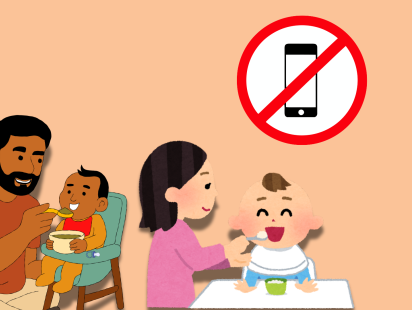
Research indicates that allowing children to be distracted by screens during meals can disrupt their eating patterns and hinder their ability to connect with food. When children are engrossed in screens, they may overlook hunger and fullness cues, leading to a decreased interest in flavors, reluctance to try new foods, and a potential development of picky eating habits over time.
To help make mealtime more enjoyable for your child and less stressful for you without relying on screens, we offer some practical tips. Establishing a consistent mealtime routine is crucial for young children, as it helps them transition smoothly from playtime or screen time to eating without resistance.
Eating together as a family can reinforce this routine, as children often mimic the behavior of adults. By demonstrating mindful eating practices without distractions like phones or TVs, parents can set a positive example for their children.
Involving children in the food preparation process, even in small tasks like peeling garlic or creating a mess, can foster a sense of ownership and appreciation for meals. When children understand where their food comes from and participate in cooking, they are more likely to enjoy the meal.
Encouraging children to express their food preferences can make mealtimes more engaging and empower them to make choices. Offering a variety of colorful vegetables and familiar foods alongside new options stimulates curiosity and encourages exploration.
Describing the nutritional benefits of foods to children can spark their interest and make mealtime more educational. Engaging children in guessing games about the foods they are eating can enhance their sensory experience and make eating more interactive.
Keeping meals short, relaxed, and pressure-free is essential for a positive mealtime experience. Embracing the inevitable mess, pauses, and varying appetites is part of the feeding process and does not indicate failure on the parent’s part.
When children express reluctance to eat, offering reassurance and allowing them to eat when they feel hungry can be more effective than pressuring them to finish their meals. Creating a supportive environment where children feel empowered to make choices about their food can lead to better eating habits in the long run.
Ultimately, prioritizing screen-free mealtimes is about fostering connection with your child and creating a positive eating environment. Embracing the chaos and imperfections of mealtime can help children develop a healthy relationship with food and establish lifelong eating habits. Remember, consistency and presence are key to nurturing a positive mealtime experience for your child.