
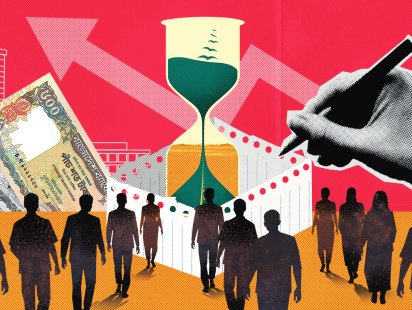


BNP’s victory in the 13th parliamentary election has been hailed as a significant moment in Bangladesh’s democratic journey. The election outcome not only marks a change of government but also signifies a strong public commitment to upholding democratic values, accountability, and institutional integrity.
After years of electoral distrust and questions regarding legitimacy, the successful conduct of the election has restored faith in the democratic process and the principle of governance by the consent of the governed. Bangladesh has grappled with polarization and threats to its democratic foundations, making BNP’s win a call to reverse regressive trends and embrace accountable governance based on liberal democratic principles.
Despite this victory, the road ahead for BNP is challenging. Simply having a broad mandate is not enough to address the deep-rooted structural issues facing the country. The new government will need to navigate economic challenges and institutional limitations, demonstrating its ability to govern effectively and reshape the governance culture.
Economic stability is a pressing concern, with growth slowdown, inflation, low foreign reserves, and tight public finances. Addressing these issues requires macroeconomic discipline, including coordinated efforts to control inflation and prioritize fiscal stability over populist spending. Tax reform, modernizing the revenue board, and enhancing compliance are crucial steps to broaden the tax base and create a more progressive taxation system.
Reforming the banking sector is equally vital to rebuild confidence and attract investment. Diversifying exports, improving infrastructure, and enhancing regulatory predictability are essential for sustainable growth. The government must balance ambitious growth targets with realistic implementation strategies.
Political challenges loom, with the need to manage internal party dynamics, rebuild trust with minority groups, and engage constructively with opponents. Upholding democratic institutions, ensuring judicial independence, and depoliticizing the civil service are key promises that the new government must fulfill to strengthen democracy.
Breaking away from the winner-takes-all mentality in Bangladesh’s politics, fostering inclusive policy dialogues, and meeting public expectations for economic relief and governance reforms are critical tasks ahead. Transparent communication, anti-corruption efforts, and tangible improvements in public service delivery are imperative for fulfilling the public’s high expectations.
BNP’s victory offers opportunities for bold reforms but also poses risks of overreach. Political judgment will be crucial in determining the government’s success in meeting the voters’ mandate.