
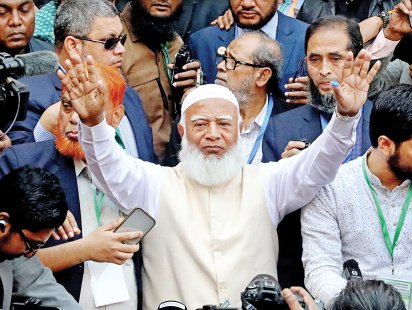


Jamaat-e-Islami leader Shafiqur Rahman accused officials of withholding results from multiple constituencies in the 13th national election during the vote-counting process. At a press briefing held at the party’s Moghbazar office late in the evening, Shafiqur stated that despite completion of vote counting in constituencies where his party was reportedly in the lead, returning officers were delaying result announcements. Notable figures from the Jamaat-led 11-party electoral alliance, such as Nahid Islam, Mamunul Haque, and Mustafaizur Rahman, were also in attendance.
Shafiqur expressed concern over the delayed announcements, highlighting that although his party was ahead in several constituencies where counting had concluded, the results were not being disclosed promptly. He mentioned the sudden appearance and disappearance of seat allocation data on the Election Commission website, causing confusion among their agents. Shafiqur anticipated receiving comprehensive information within the next couple of days, as the Election Commission had promised to release all results by February 13.
Addressing the delay in certain constituencies like Dhaka-8, Shafiqur criticized such practices as detrimental to the democratic process and vowed to keep the public informed to prevent future occurrences. He emphasized the importance of embracing positive politics and refraining from disputes over trivial matters, reiterating their commitment to accepting the election outcomes.
When asked about concerns regarding potential manipulation, Shafiqur refrained from commenting, emphasizing the need for thorough verification before making any accusations. Despite challenges, he affirmed the party’s willingness to acknowledge the election results and urged for accountability in any instances of misconduct.
Shafiqur also reflected on Jamaat’s history of perseverance despite facing bans and expressed aspirations for inclusive governance if given the opportunity. He praised the collaborative efforts that ensured a successful election and credited election management teams and guiding forces for their role in orchestrating a meaningful electoral process.
Appreciating voter turnout and the peaceful conduct of the election, Shafiqur acknowledged the initial apprehensions surrounding the election and commended the collective efforts that enabled its smooth progression. As the election results unfolded, he remained optimistic yet cautious, refraining from premature assessments until a clearer picture emerged.