
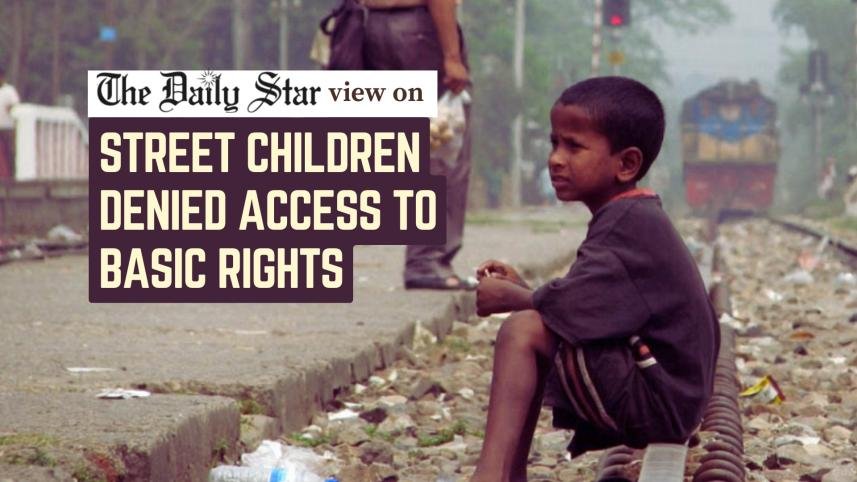


In Bangladesh, an estimated 3.4 million children live on the streets without parental support, facing neglect and abuse while being excluded from essential services due to government indifference. Recently, a group of former street children, rehabilitated by the NGO LEEDO, raised crucial questions about their safety and future during a discussion. These children, part of LEEDO’s “Young Journalist Changemaker” initiative, highlighted the systemic neglect impacting street children’s lives.
Their inquiries shed light on pressing issues such as the legal recourse for harassed street children, the exploitation of children in political events, and the inadequate enforcement of child protection laws. Despite the existence of a child helpline (1098) in urban areas, its reach is limited, and the implementation of child protection laws remains inconsistent, hindering access to legal aid for most children.
While street children are among the most vulnerable groups in society, the government has failed to prioritize their education and well-being. Research by Caritas Bangladesh revealed that a vast majority of street children are left out of government safety-net programs, lacking the necessary documentation for education and healthcare access. Reports also highlighted the prevalent issue of sexual abuse faced by these children, particularly girls, further emphasizing their dire circumstances.
There is a pressing need for immediate action from the government to expand the child helpline to all regions, register street children, ensure their inclusion in education and social services, and prevent their exploitation in labor or politics. Establishing a well-funded child protection system with proper rehabilitation facilities is crucial to safeguard all street children. It is imperative for both the government and society to support these vulnerable children, mirroring the efforts of organizations like LEEDO. By upholding the constitutional rights and dignity of street children, we can empower them to become valuable contributors to the nation’s social and economic development.