
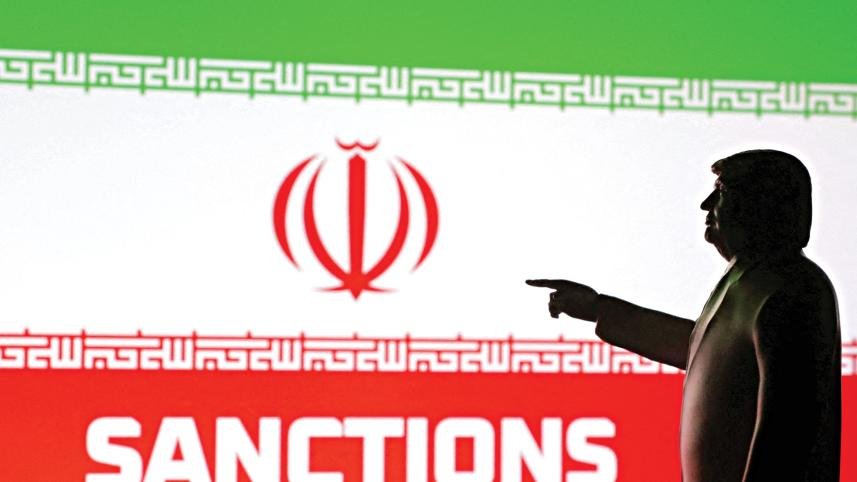


Iran has summoned its ambassadors to Germany, France, and the United Kingdom for consultations in response to the reinstatement of United Nations’ sanctions by the three European countries. The move follows Russia and China’s unsuccessful attempt to delay the revival of international sanctions on Iran at the UN Security Council.
The E3 nations initiated the mechanism to bring back UN sanctions, pointing to Iran’s alleged lack of transparency regarding its nuclear program and its response to attacks by Israel and the US. The sanctions, scheduled to take effect soon, will impose a worldwide prohibition on collaborations with Iran in nuclear, military, banking, and shipping sectors.
The Iranian currency, the rial, plummeted to record lows as the sanctions loomed. The International Atomic Energy Agency confirmed some inspections at Iranian sites had resumed, but details about the bombed sites were not disclosed. Iran’s nuclear chief criticized the UN nuclear watchdog for not condemning the airstrikes on nuclear facilities during the World Atomic Week forum in Moscow.
Efforts to delay the snapback were rejected by Western powers, citing insufficient progress during recent diplomatic talks. Iranian President Masoud Pezeshkian expressed skepticism about reaching a deal, suggesting that pressure from Israel and the US aimed to destabilize Iran’s government. Pezeshkian reiterated Iran’s stance against nuclear weapons, asserting willingness to address concerns about the nuclear program if that were the genuine goal.