
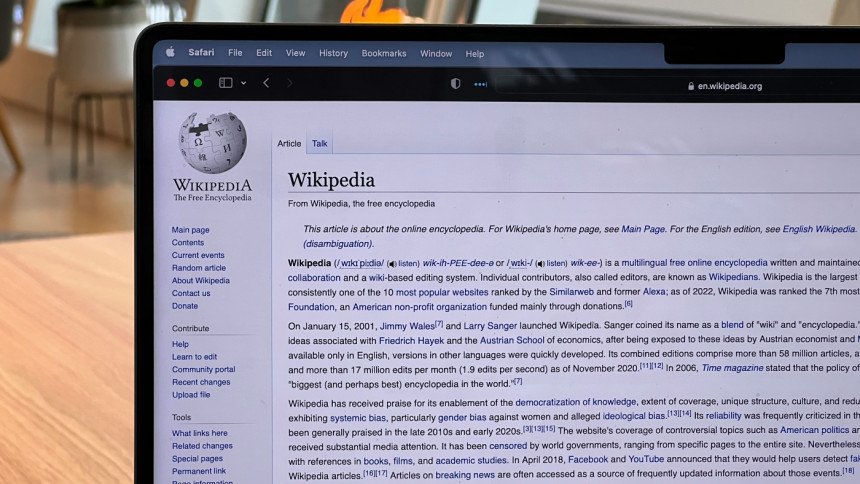


The Wikimedia Foundation is urging AI companies to cease the practice of extracting information from Wikipedia for free and instead opt for a paid service. The foundation asserts that the future of both the open-source platform and dependable AI relies on this shift.
In an official statement, the foundation highlighted the significance of human-generated knowledge, specifically emphasizing Wikipedia’s content, as a fundamental resource for AI development. It cautioned that AI algorithms heavily rely on regularly updated data curated by humans and may risk diminished accuracy without it.
Encouraging AI developers to leverage its commercial solution, Wikimedia Enterprise, the nonprofit organization supporting Wikipedia emphasized that this paid service offers sustainable and reliable access to Wikipedia’s data without burdening its servers. The foundation underscored the importance of AI companies supporting the volunteer efforts of humans who contribute to the creation of their training datasets.
In addition to financial backing, the foundation is advocating for clear attribution from AI systems, urging them to credit Wikipedia whenever utilizing its information. This transparency, according to the foundation, plays a crucial role in upholding trust and motivating individuals to engage directly with and contribute to the platform.
The announcement positions Wikipedia’s transparent, human-centric model as a vital countermeasure to AI systems that may occasionally generate inaccurate or misleading information. As Wikipedia approaches its 25th anniversary in 2026, the foundation stresses that upholding its model is indispensable for ensuring the internet continues to offer accessible and dependable knowledge.